
How to Recognize, Treat, and Prevent Indoor Plant Infestations
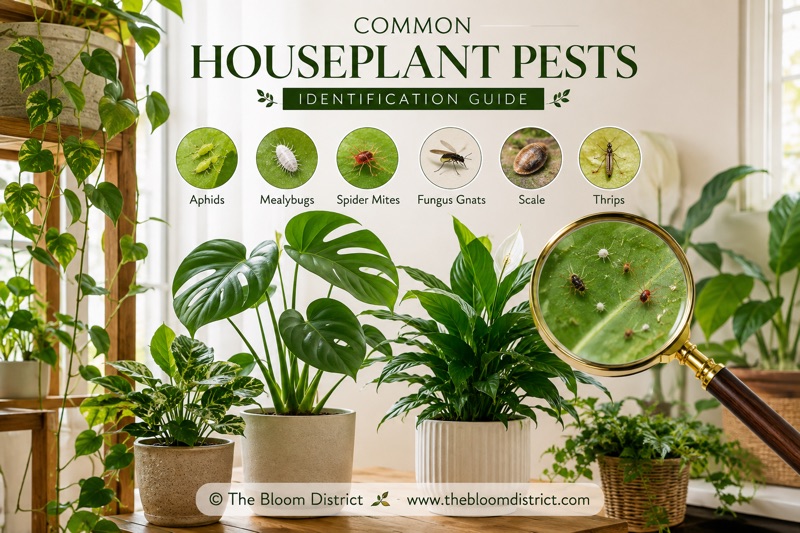
Common Houseplant Pests Identification Guide 🌿
Learn How to Spot Tiny Invaders Before They Damage Your Favorite Plants
There is nothing more satisfying than watching your indoor plants grow new leaves, create a fresh atmosphere, and bring a touch of nature into your home.
But sometimes, even the healthiest-looking houseplants can face an unexpected problem: tiny pests hiding among the leaves, stems, and soil.
A small insect infestation can quickly become a serious issue if it is ignored. Yellow leaves, slow growth, sticky residue, or tiny flying insects are often early warning signs that your plant needs attention.
The good news?
Most common houseplant pests can be controlled naturally when they are discovered early.
In this complete identification guide, you will learn how to recognize the most common indoor plant pests, understand the damage they cause, and discover effective ways to protect your green collection.
Common Houseplant Pests Identification Guide 🌿
Learn How to Spot Tiny Invaders Before They Damage Your Favorite Plants
There is nothing more satisfying than watching your indoor plants grow new leaves, create a fresh atmosphere, and bring a touch of nature into your home.
But sometimes, even the healthiest-looking houseplants can face an unexpected problem: tiny pests hiding among the leaves, stems, and soil.
A small insect infestation can quickly become a serious issue if it is ignored. Yellow leaves, slow growth, sticky residue, or tiny flying insects are often early warning signs that your plant needs attention.
The good news?
Most common houseplant pests can be controlled naturally when they are discovered early.
In this complete identification guide, you will learn how to recognize the most common indoor plant pests, understand the damage they cause, and discover effective ways to protect your green collection.
Table of Contents
- Why Do Houseplants Get Pests?
- How to Inspect Your Plants for Pests
- Common Houseplant Pests Identification Guide
- Natural Treatments for Indoor Plant Pests
- Prevention Tips to Keep Plants Healthy
- Common Mistakes That Make Pest Problems Worse
- Frequently Asked Questions
- Quick Summary
At a Glance: Common Houseplant Pests
|
Pest |
What They Look Like |
Damage Signs |
Commonly Affected Plants |
|
Spider Mites |
Tiny spider-like insects |
Yellow spots, webbing, dry leaves |
Fiddle Leaf Fig, Palms, Calatheas |
|
Aphids |
Small soft-bodied bugs |
Curled leaves, sticky residue |
Herbs, Flowers, New Growth |
|
Mealybugs |
White cotton-like insects |
Weak growth, yellow leaves |
Succulents, Orchids, Tropical Plants |
|
Fungus Gnats |
Small black flying insects |
Larvae in soil, weak roots |
Most Indoor Plants |
|
Scale Insects |
Brown or white bumps |
Sticky leaves, leaf drop |
Ficus, Citrus, Orchids |
|
Thrips |
Tiny thin insects |
Silver marks, damaged leaves |
Monstera, Calathea, Alocasia |
Why Do Houseplants Get Pests?
Many plant owners assume pests only attack unhealthy plants, but this is not always true.
Even a well-maintained plant can attract insects because of environmental conditions.
1. New Plants Can Bring Hidden Pests
One of the most common ways pests enter your home is through newly purchased plants.
Small insects or eggs may already be hiding:
- Under leaves
- Around stems
- Inside the soil
Tip:
Always inspect and isolate new plants for at least one week before placing them near your collection.
2. Overwatering Creates the Perfect Environment
Too much moisture weakens roots and attracts certain pests, especially fungus gnats.
Signs of overwatering include:
- Constantly wet soil
- Yellowing leaves
- Root problems
- Mold on the soil surface
3. Dry Indoor Air Encourages Spider Mites
Many tropical houseplants prefer higher humidity.
When the air becomes too dry, plants become more vulnerable to spider mites.
Common plants affected:
- Calathea
- Ferns
- Peace Lily
- Indoor Palms
How to Inspect Your Houseplants for Pests
Early detection is the key to preventing serious damage.
Check your plants regularly by examining:
Leaves
Look carefully at:
- The underside of leaves
- New growth
- Leaf joints
Many pests hide away from direct view.
Stems
Look for:
- White cotton-like clusters
- Brown bumps
- Sticky residue
Soil
Check for:
- Tiny flying insects
- Larvae
- Mold growth
Common Houseplant Pests Identification Guide
1. Spider Mites 🕷️
Spider mites are among the most destructive indoor plant pests because they reproduce quickly and are difficult to notice in the early stages.
Identification
Spider mites are:
- Extremely small
- Usually red, brown, or yellow
- Often found on the underside of leaves
A magnifying glass can help identify them.
Signs of Spider Mite Damage
Look for:
✓ Tiny yellow or white spots on leaves
✓ Fine webbing between leaves and stems
✓ Dry, crispy leaves
✓ Leaf dropping
Plants Commonly Affected
- Fiddle Leaf Fig
- Spider Plant
- Indoor Palms
- Ivy
- Calathea
Natural Treatment
- Wash leaves with lukewarm water.
- Remove heavily damaged leaves.
- Spray with neem oil solution.
- Increase humidity around the plant.
- Repeat treatment every few days.
2. Aphids: The Tiny Sap-Sucking Invaders 🌱
Aphids are one of the most common pests found on houseplants. These tiny insects may look harmless, but they can multiply quickly and weaken your plant by feeding on its natural sap.
They usually gather on soft new growth, making young leaves and fresh stems their favorite targets.
🔍 How to Identify Aphids
Aphids are small, soft-bodied insects that may appear in different colors:
- Green
- Black
- White
- Yellow
- Brown
They are often found in clusters on:
✓ New leaves
✓ Flower buds
✓ Young stems
🌿 Signs Your Plant Has Aphids
Watch for these warning signs:
|
Symptom |
What It Means |
|
Curled leaves |
Aphids are feeding on plant sap |
|
Sticky leaves |
Honeydew residue from insects |
|
Deformed new growth |
Damage to young tissues |
|
Ants around the plant |
Ants may feed on honeydew |
🪴 Plants Commonly Affected
Aphids often target:
- Herbs
- Indoor flowering plants
- Roses
- Hibiscus
- Pepper plants grown indoors
🌿 Natural Treatment
Try these gentle methods:
1. Water Spray Method
Use a strong stream of water to remove aphids from leaves and stems.
2. Neem Oil Spray
Neem oil helps interrupt the pest’s life cycle naturally.
3. Soap Solution
A mild insecticidal soap can help remove aphids without harming most plants.
Important: Always test any spray on a small leaf area first.
3. Mealybugs: The White Cotton-Like Pest 🤍
Among all indoor plant pests, mealybugs are one of the easiest to recognize because of their distinctive white appearance.
They hide in small spaces and slowly drain energy from your plants.
🔍 How to Identify Mealybugs
Look for:
- White cotton-like masses
- Small oval insects
- Clusters around leaf joints
- White patches on stems
They often hide in areas where leaves connect to stems.
🚨 Signs of Mealybug Damage
Your plant may show:
🌿 Yellowing leaves
🌿 Slow growth
🌿 Leaf drop
🌿 Weak new shoots
🌿 Sticky leaves
🪴 Plants Most Vulnerable to Mealybugs
Common favorites include:
- Succulents
- Aloe Vera
- Orchids
- Pothos
- Philodendrons
🌱 Natural Treatment Plan
Step 1: Remove Visible Bugs
Use a cotton swab dipped in rubbing alcohol and gently remove visible insects.
Step 2: Clean the Leaves
Wipe leaves carefully to remove hidden pests.
Step 3: Repeat Treatment
Mealybugs can return because eggs may survive, so repeat treatment every 7–10 days.
4. Fungus Gnats: The Tiny Flying Problem 🪰
If small black flies suddenly appear around your plants, fungus gnats are often the reason.
Unlike many pests that attack leaves, fungus gnats spend most of their life cycle inside the soil.
🔍 How to Identify Fungus Gnats
They look like:
- Tiny black flies
- Small insects flying near the soil
- Mosquito-like bugs around plant pots
Why Do Fungus Gnats Appear?
The main cause is usually:
💧 Excess Moisture
Overwatering creates the perfect environment for fungus gnat larvae.
Signs of Fungus Gnats
|
Sign |
Explanation |
|
Small flies near soil |
Adult fungus gnats |
|
Weak plant growth |
Root disturbance |
|
Yellow leaves |
Stress from damaged roots |
|
Wet soil for long periods |
Ideal breeding environment |
🌿 Natural Treatment
Allow Soil to Dry
Let the top layer of soil dry before watering again.
Use Yellow Sticky Traps
These help reduce adult flies.
Improve Soil Drainage
Add materials such as:
- Perlite
- Orchid bark
- Coarse sand
to improve airflow around roots.
🌿 Plant Care Tip Box
“Healthy Roots, Healthy Plants”
Most pest problems become worse when plants are stressed.
Strong plants have a better ability to recover, so focus on:
✓ Proper watering
✓ Good light conditions
✓ Quality soil
✓ Regular inspection
Part 3: The Final Defense — Treatment, Prevention & Keeping Your Plants Pest-Free
Your indoor garden is a living ecosystem. Even with the best care, small pests can sometimes find their way onto your plants.
The key is not only removing pests but also creating an environment where they struggle to survive.
Let’s continue discovering the remaining common houseplant pests and how to protect your green space naturally.
5. Scale Insects: The Hidden Bumps on Your Plants 🌿
Scale insects are some of the most difficult pests to notice because they often look like small parts of the plant itself.
They attach themselves to stems and leaves, creating a protective shell while feeding on plant sap.
🔍 How to Identify Scale Insects
Scale insects appear as:
- Small brown, beige, or white bumps
- Flat or rounded shells attached to stems
- Clusters along leaf veins
Unlike many insects, adult scale insects usually do not move.
🚨 Signs of Scale Infestation
Your plant may show:
|
Symptom |
Cause |
|
Yellowing leaves |
Loss of nutrients from sap feeding |
|
Sticky leaves |
Honeydew secretion |
|
Leaf dropping |
Long-term stress |
|
Weak growth |
Reduced plant energy |
🪴 Plants Commonly Affected
Scale insects often attack:
- Ficus plants
- Citrus trees grown indoors
- Orchids
- Ferns
- Indoor shrubs
🌱 Natural Treatment
Manual Removal
For small infestations:
- Dip a cotton swab in rubbing alcohol.
- Gently remove visible scales.
- Clean the affected areas.
Neem Oil Treatment
Neem oil can help reduce future infestations when applied regularly.
Remember:
Consistency is important because eggs may hatch after the first treatment.
6. Thrips: The Fast-Moving Leaf Destroyers 🌿
Thrips are tiny insects that can cause significant damage because they feed on plant tissues rather than simply staying on the surface.
They are especially problematic for plants with delicate leaves.
🔍 How to Identify Thrips
Thrips are:
- Extremely small and narrow
- Yellow, brown, or black
- Fast-moving insects
They may require close inspection to see clearly.
🚨 Signs of Thrips Damage
Look for:
✓ Silver or bronze streaks on leaves
✓ Brown patches
✓ Distorted new leaves
✓ Damaged flower buds
✓ Tiny black spots (insect waste)
🪴 Plants Often Affected
Thrips commonly attack:
- Monstera
- Calathea
- Alocasia
- Peace Lily
- African Violet
🌿 Natural Treatment
Step 1: Isolate the Plant
Move infected plants away from healthy ones.
Step 2: Clean the Leaves
Wash both sides of leaves carefully.
Step 3: Apply Natural Control
Use:
- Neem oil
- Insecticidal soap
- Regular leaf cleaning
Repeat treatments because thrips have multiple life stages.
Quick Pest Diagnosis Chart 🌱
Identify the Problem by the Symptoms
|
What You Notice |
Most Likely Pest |
First Action |
|
Fine webs between leaves |
Spider Mites |
Increase humidity + treat leaves |
|
White cotton-like clusters |
Mealybugs |
Remove manually + neem oil |
|
Tiny flies near soil |
Fungus Gnats |
Reduce watering |
|
Brown bumps on stems |
Scale Insects |
Remove and clean |
|
Silver marks on leaves |
Thrips |
Isolate and treat |
|
Sticky leaves with curled growth |
Aphids |
Wash leaves and spray |
Natural Pest Control Recipes for Houseplants 🌿
1. Gentle Neem Oil Spray
Ingredients:
- 1 liter of water
- 1 teaspoon neem oil
- Few drops of mild liquid soap
How to Use:
- Mix well.
- Spray leaves and stems.
- Apply in the evening.
- Repeat every 7–14 days.
2. Simple Leaf Cleaning Solution
Ingredients:
- Lukewarm water
- Soft microfiber cloth
Perfect for:
- Removing dust
- Finding hidden pests early
- Keeping leaves healthy
How to Prevent Houseplant Pest Problems 🌱
Prevention is always easier than treatment.
1. Inspect Plants Weekly
Create a simple routine:
Every week check:
✓ Leaf undersides
✓ New growth
✓ Stems
✓ Soil surface
2. Quarantine New Plants
A beautiful new plant can accidentally introduce pests.
Keep new plants separate for:
7–14 days
before adding them to your indoor garden.
3. Avoid Overwatering
Healthy watering habits prevent many pest issues.
Follow this rule:
Water when the soil actually needs it — not just because it is scheduled.
4. Keep Leaves Clean
Dust-covered leaves:
- Attract pests
- Reduce photosynthesis
- Make problems harder to notice
5. Provide Proper Growing Conditions
Strong plants resist pests better.
Focus on:
☀️ Correct lighting
💧 Balanced watering
🌱 Quality soil
🌬 Good airflow
Common Mistakes That Make Pest Problems Worse ❌
Mistake 1: Treating Only Visible Bugs
Many pests leave eggs behind.
Solution:
Repeat treatments regularly.
Mistake 2: Ignoring the Underside of Leaves
Many insects hide where they are difficult to see.
Solution:
Always inspect both sides of leaves.
Mistake 3: Moving an Infested Plant Near Others
Pests can spread quickly.
Solution:
Immediately isolate affected plants.
Mistake 4: Using Too Much Product
More spray does not always mean better results.
Solution:
Follow recommended amounts and test first.
Frequently Asked Questions (FAQ)
How do I know if my houseplant has pests?
Common signs include:
- Yellow leaves
- Sticky residue
- Tiny insects
- Webbing
- Slow growth
- Leaf damage
Regular inspection is the best way to catch problems early.
Can houseplant pests spread to other plants?
Yes. Many pests can move between plants, especially when plants are placed close together.
Isolation is one of the most effective prevention methods.
What is the safest natural pest control for houseplants?
Common natural options include:
- Neem oil
- Insecticidal soap
- Manual removal
- Regular leaf cleaning
Always test treatments on a small area first.
How often should I check my indoor plants for pests?
A weekly inspection is ideal.
A few minutes of checking can prevent a serious infestation.
Quick Summary 🌿
|
Action |
Why It Helps |
|
Inspect plants weekly |
Detect pests early |
|
Clean leaves regularly |
Remove dust and hidden insects |
|
Avoid overwatering |
Prevent fungus gnat problems |
|
Isolate new plants |
Stop pest introduction |
|
Use natural treatments |
Protect plants safely |
Final Thoughts
Houseplant pests may be tiny, but they do not have to become a major problem.
With careful observation, proper care, and natural solutions, you can keep your indoor plants healthy, vibrant, and beautiful throughout the year.
Remember:
A thriving plant begins with attention, patience, and a little daily care. 🌿
Related Articles
- Why Are My Plant Leaves Turning Yellow?
- How to Get Rid of Fungus Gnats Naturally
- Root Rot: Causes, Signs, and Treatment
- White Powder on Plant Leaves Explained
- How to Treat Spider Mites on Houseplants
- Common Plant Diseases and How to Prevent Them
- Why Is My Plant Drooping?
- How to Stop Leaf Curl Naturally
Comments
Post a Comment