
🌱 When Your Plants Start Asking for Help…
There is a moment every gardener knows.
You walk into your garden expecting to see fresh green leaves, colorful flowers, and healthy growth… but something feels different.
A leaf has strange spots.
A stem looks weak.
The vibrant green color has slowly disappeared.
Many gardeners immediately think:
“My plant is dying.”
But the truth is that plants often communicate before they reach a critical stage. Yellowing leaves, powdery coatings, unusual spots, and slow growth are not random problems — they are warning signs.
The good news?
Most plant diseases can be prevented and controlled when you understand what causes them.
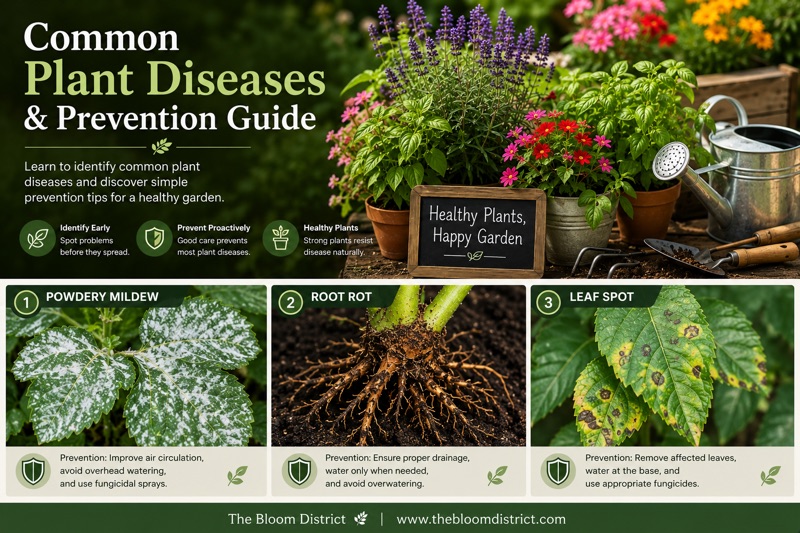
In this guide, we will explore 6 of the most common plant diseases, how to identify them, what causes them, and the best natural prevention methods to keep your garden healthy.
🌿 Quick Disease Identification Guide
|
Disease |
Main Symptoms |
Common Cause |
|
Powdery Mildew |
White powder on leaves |
High humidity & poor airflow |
|
Root Rot |
Yellow leaves, soft roots |
Overwatering |
|
Leaf Spot Disease |
Brown or black spots |
Fungi or bacteria |
|
Rust Disease |
Orange/yellow spots |
Fungal infections |
|
Blight |
Rapid browning and death |
Fungi or bacteria |
|
Damping-Off |
Seedlings collapse |
Wet soil & pathogens |
1. Powdery Mildew: The White Dust on Leaves 🤍
What Does It Look Like?
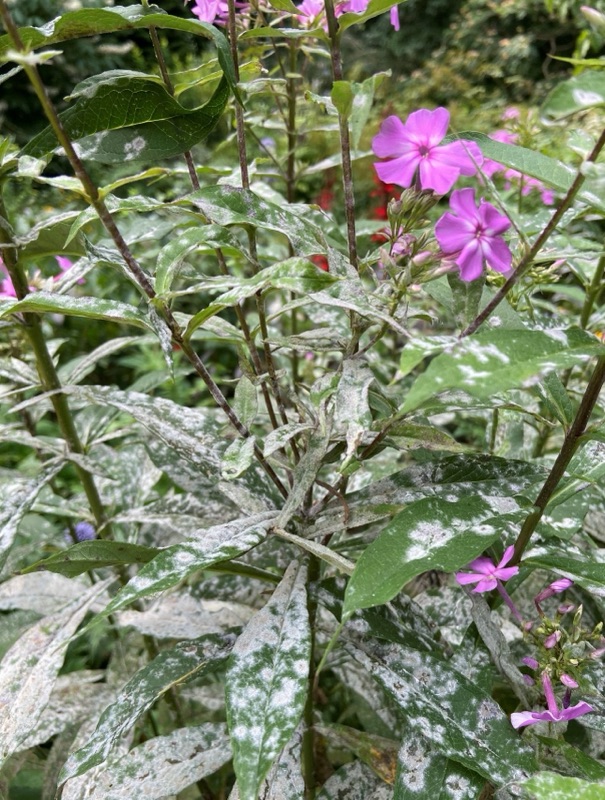
Powdery mildew is one of the easiest plant diseases to recognize.
It appears as:
- White or gray powder-like patches
- A dusty coating on leaves
- Curled or distorted leaves
- Weak plant growth
It commonly affects:
- Roses
- Cucumbers
- Squash
- Grapevines
- Ornamental plants
Why Does Powdery Mildew Happen?
Unlike many fungal diseases, powdery mildew does not always require wet leaves.
It thrives when there is:
✓ Warm weather
✓ High humidity
✓ Poor air circulation
✓ Plants growing too close together
🌱 Prevention Tips
Improve airflow
Avoid overcrowding plants. Space them properly to allow air movement.
Water correctly
Water the soil instead of spraying leaves.
Remove infected leaves
Do not allow infected leaves to remain around healthy plants.
Choose resistant varieties
Some plant types naturally resist powdery mildew.
2. Root Rot: The Hidden Killer Beneath the Soil 🌱
Root rot is one of the most common reasons indoor and outdoor plants suddenly decline.
The problem begins underground, where you cannot easily see it.
Signs of Root Rot
Look for:
- Yellowing leaves
- Wilting despite watering
- Slow growth
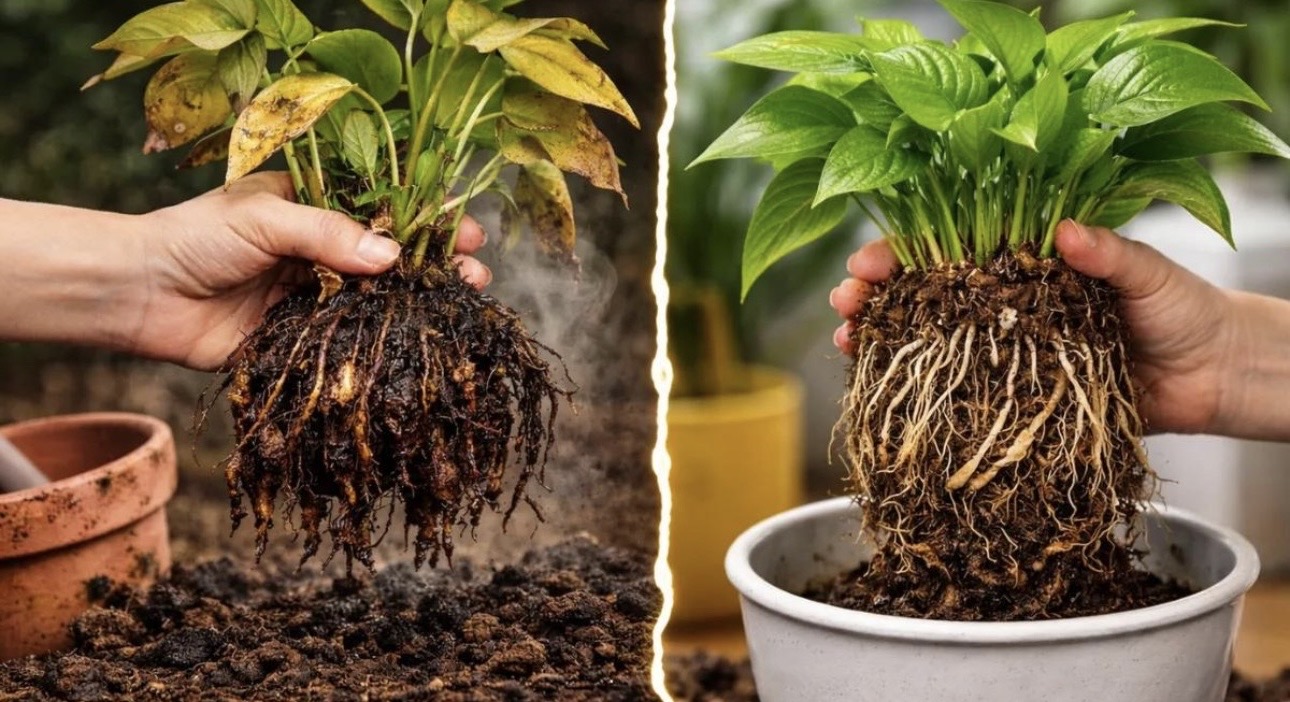
- Soft brown roots
- Bad smell from soil
Healthy roots are usually:
✅ Firm
✅ White or light-colored
Damaged roots are often:
❌ Brown
❌ Soft
❌ Mushy
Main Causes
The biggest cause is:
Overwatering 💧
When soil stays constantly wet, roots cannot breathe.
This creates the perfect environment for harmful fungi.
How to Prevent Root Rot
✔ Use pots with drainage holes
✔ Allow soil to partially dry between watering
✔ Use well-draining soil mixtures
✔ Avoid leaving plants sitting in water
3. Leaf Spot Disease: Small Spots, Big Problems 🍃
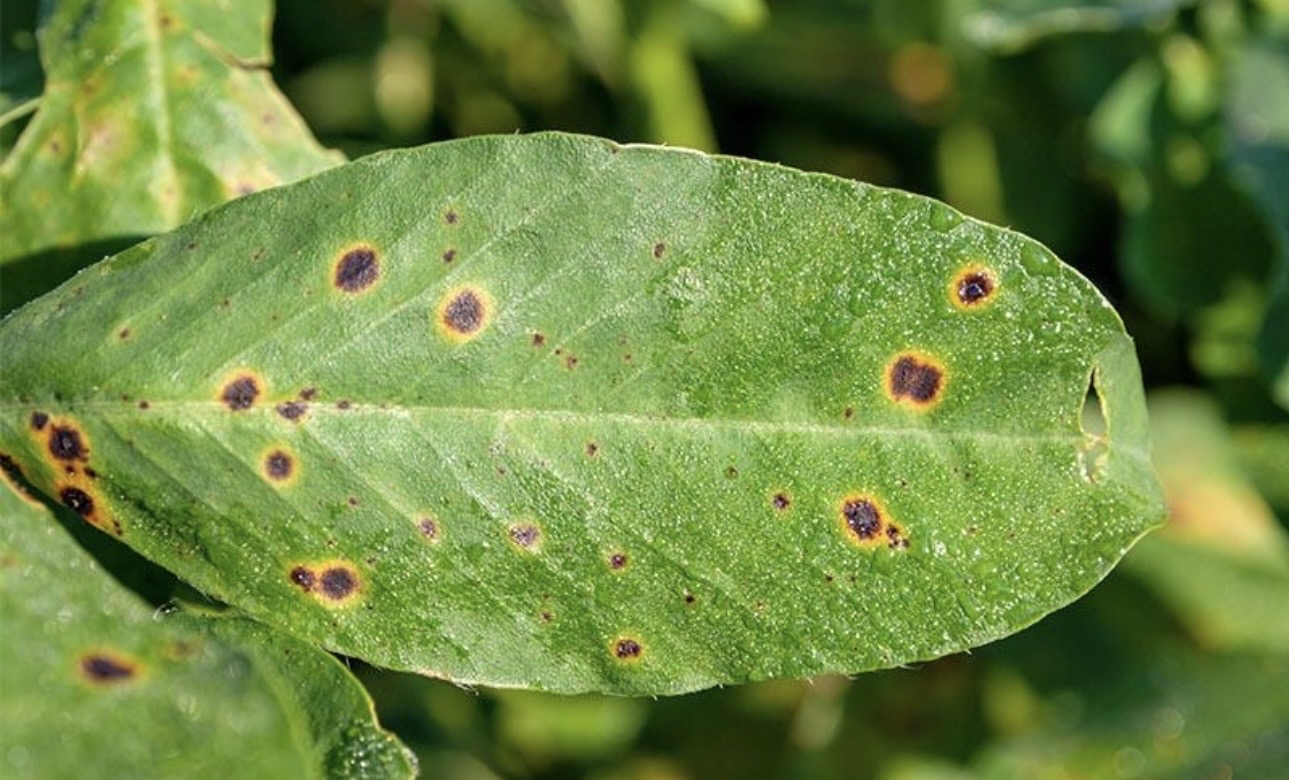
Leaf spot disease creates noticeable marks on plant leaves.
The spots may appear:
- Brown
- Black
- Yellow
- Circular or irregular
Over time, affected leaves may fall.
What Causes Leaf Spot?
Common causes include:
- Fungal infections
- Bacterial infections
- Wet foliage
- Poor garden hygiene
Prevention Strategy
Keep Leaves Dry
Wet leaves create ideal conditions for disease development.
Clean Garden Tools
Dirty pruning scissors can spread infections.
Remove Fallen Leaves
Dead plant material can carry pathogens.
🌿 Garden Health Box
The Golden Rule of Disease Prevention:
Healthy plants are naturally stronger against diseases.
A healthy garden starts with:
🌱 Good soil
☀️ Proper sunlight
💧 Correct watering
🌬️ Good airflow
🍂 Regular maintenance
4. Rust Disease: The Orange Warning Signs 🟠
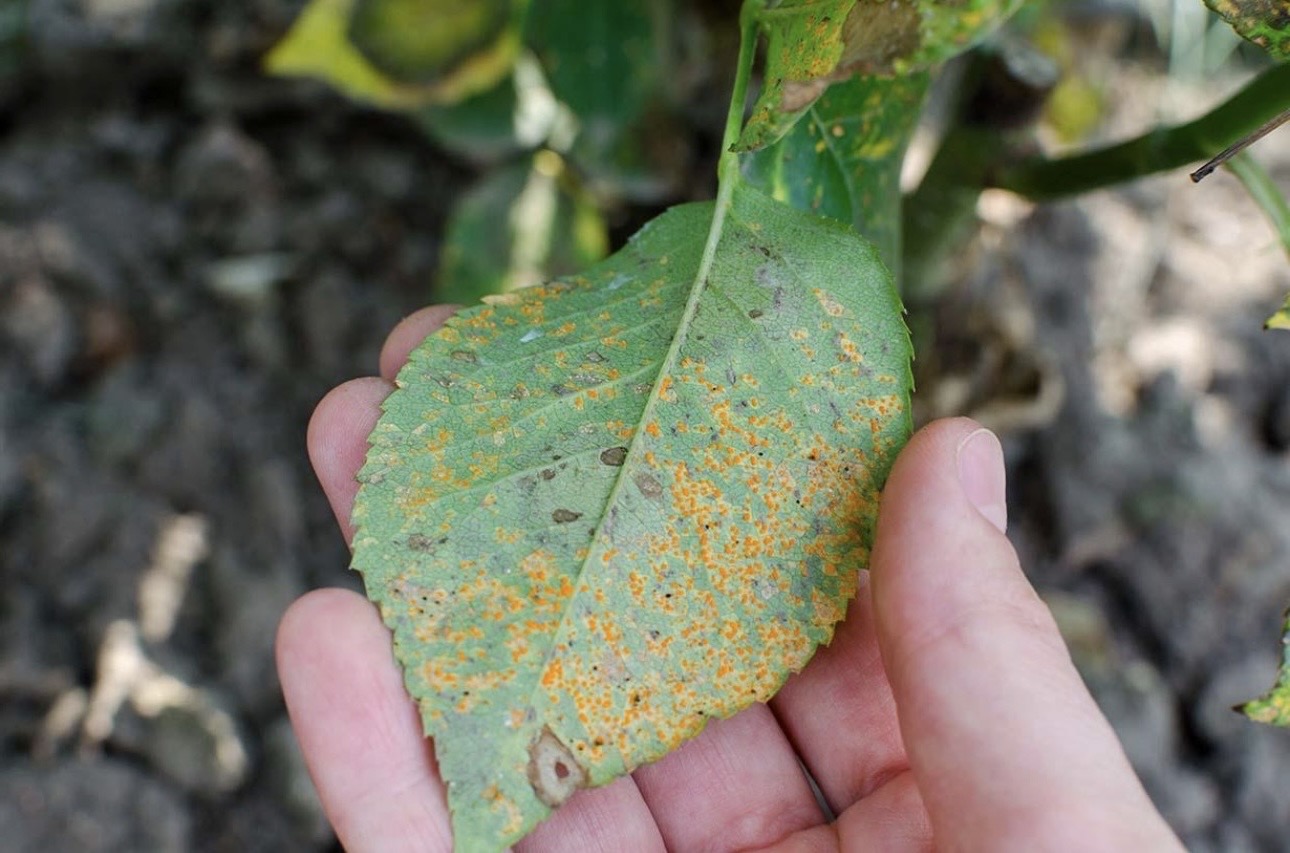
Rust disease gets its name from the orange or reddish spots that appear on leaves.
It commonly affects:
- Roses
- Trees
- Vegetables
- Ornamental plants
Symptoms
You may notice:
- Orange powder underneath leaves
- Yellow spots on upper leaf surfaces
- Premature leaf dropping
- Weak plant growth
How Rust Spreads
Rust fungi spread through:
- Wind
- Rain splashes
- Infected plant debris
Prevention Tips
✔ Remove infected leaves quickly
✔ Avoid overhead watering
✔ Provide good spacing between plants
✔ Improve sunlight exposure
5. Blight: A Fast-Moving Plant Disease ⚠️
Blight is one of the most destructive plant diseases because it can spread quickly.
It can affect:
- Tomatoes
- Potatoes
- Vegetables
- Flowers
Common Symptoms
- Dark spots on leaves
- Rapid yellowing
- Brown patches
- Dying stems
Early Blight vs Late Blight
|
Type |
Symptoms |
|
Early Blight |
Brown rings on older leaves |
|
Late Blight |
Dark water-soaked patches and rapid damage |
How to Protect Your Plants
✔ Avoid planting too closely
✔ Remove infected parts
✔ Rotate crops yearly
✔ Keep garden areas clean
6. Damping-Off: The Seedling Problem 🌱
Damping-off mainly affects young plants.
You may notice:
- Seedlings suddenly falling over
- Thin weak stems
- Brown discoloration near soil level
- Seedlings dying quickly
Why Does It Happen?
Usually because of:
- Overwatering
- Poor soil drainage
- Contaminated soil
- Lack of airflow
Prevention
Before planting:
✔ Use clean containers
✔ Use fresh seed-starting soil
✔ Avoid excessive watering
✔ Provide enough light
🌿 Disease Prevention Checklist
Before problems appear, follow this simple routine:
|
Garden Habit |
Benefit |
|
Water early morning |
Reduces fungal growth |
|
Remove dead leaves |
Eliminates disease sources |
|
Clean tools |
Prevents spreading |
|
Improve soil drainage |
Protects roots |
|
Give plants space |
Improves airflow |
|
Inspect plants weekly |
Detects problems early |
Natural Ways to Support Plant Health 🌿
1. Neem Oil
Neem oil can help manage some fungal problems and insect-related stress.
Use it according to product instructions and avoid spraying during intense sunlight.
2. Compost
Healthy compost improves soil structure and supports stronger plants.
3. Baking Soda Spray
Some gardeners use diluted baking soda solutions as a preventive measure against fungal problems.
Always test on a small area first.
Common Mistakes That Spread Plant Diseases
❌ Overwatering plants
❌ Planting too closely
❌ Ignoring early symptoms
❌ Using dirty gardening tools
❌ Leaving infected leaves in the garden
🌱 Frequently Asked Questions (FAQ)
Can a diseased plant recover?
Yes, many plants can recover if the disease is detected early and the cause is corrected.
Should I remove infected leaves?
Usually yes. Removing affected parts can prevent the disease from spreading.
How often should I check my plants?
A weekly inspection is ideal. Early detection saves plants.
Does fertilizer prevent diseases?
Fertilizer does not directly prevent diseases, but balanced nutrition helps plants grow stronger.
🌿 Final Thoughts: A Healthy Garden Starts With Prevention
Plant diseases are not always a sign of failure.
Every gardener faces them.
The difference between a struggling garden and a thriving one is often simple:
Observation. Prevention. Care.
When you understand the warning signs and create the right growing conditions, your plants become stronger, healthier, and more beautiful.
A successful garden is not one without problems…
It is one where problems are noticed and solved early. 🌱
Related Articles
Comments
Post a Comment