
🌿 When Your Plant Starts Asking for Help…
You walk past your favorite plant and notice something different.
Yesterday, the leaves were wide, fresh, and full of life.
Today, they look folded, twisted, or curled inward — almost as if the plant is trying to hide.
Before you panic, remember this:
Leaf curl is not the end of your plant’s story. It is a message.
Your plant may be saying:
“I am thirsty.”
“The sun is too intense.”
“Something is bothering my roots.”
“There are tiny visitors feeding on me.”
The secret to fixing leaf curl is not treating the symptom — it is discovering the reason behind it.
🔍 Plant Detective Corner: What Is Your Leaf Telling You?
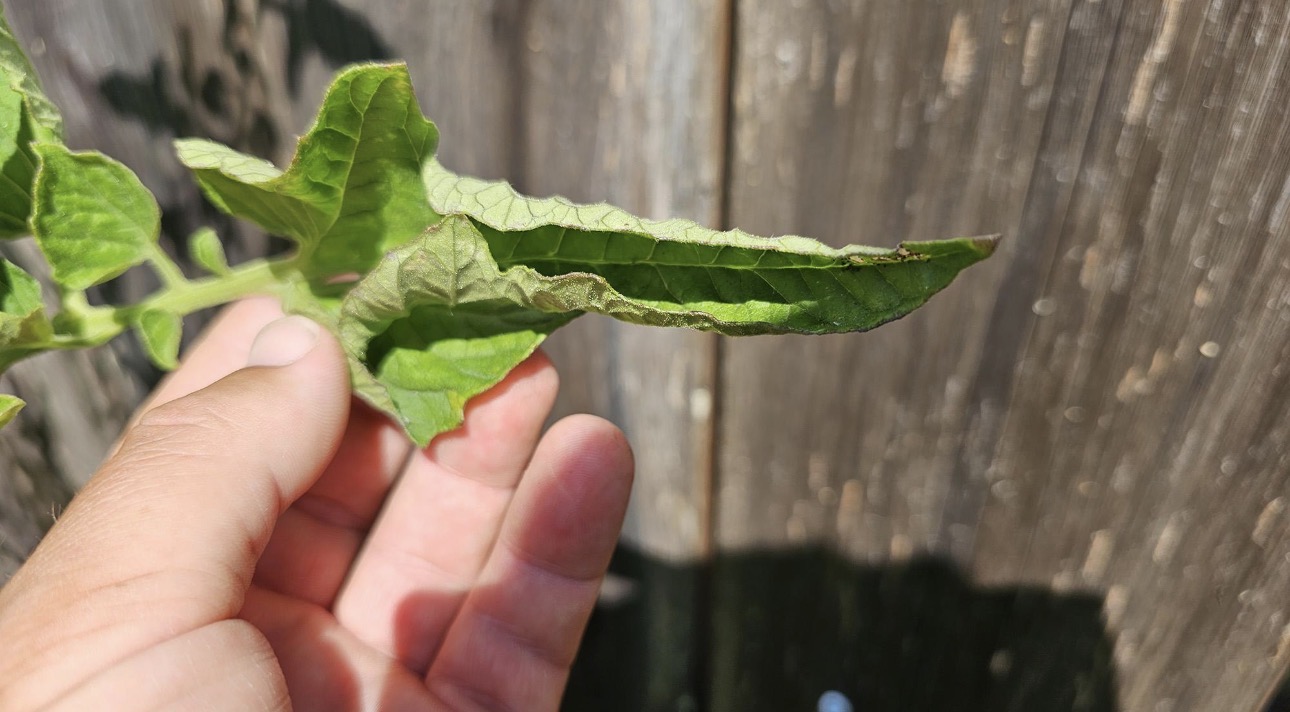
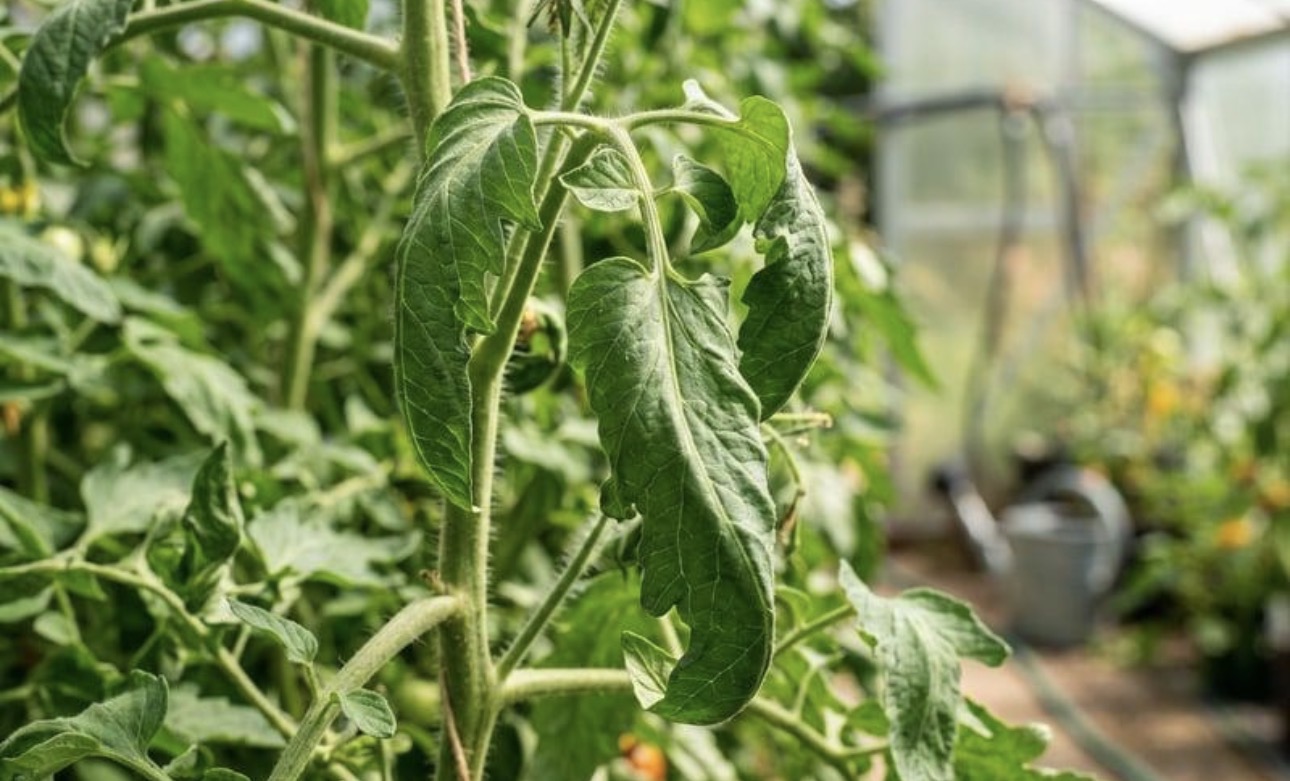
|
What You See |
What Your Plant May Be Saying |
Most Likely Cause |
|
🍃 Leaves curl upward |
I am losing water too quickly |
Heat, drought, strong sunlight |
|
🍂 Leaves curl downward | My roots are struggling |
Overwatering, poor drainage |
|
🌱New leaves are twisted |
Something is attacking my growth |
Aphids, mites, thrips |
|
🟤 Leaf edges curl and turn brown |
The air or soil is too dry |
Low humidity, underwatering |
|
🟡 Curling + yellow leaves |
My roots are stressedâ |
Water imbalance |
🌱 The 7 Natural Ways to Stop Leaf Curl
1. Restore the Perfect Water Balance 💧
Water is often the first suspect when leaves begin curling.
But the problem is not always too little water.
Sometimes the plant is drowning.
The Finger Test:
Push your finger 2–3 cm into the soil.
✅ Dry soil → Your plant may need water
❌ Wet soil → Wait before watering
Natural Recovery Steps:
🌿 Water slowly until moisture reaches the entire root zone.
🌿 Allow excess water to drain.
🌿 Never leave pots sitting in standing water.
Bloom District Tip:
A plant does not need more water — it needs the right amount of water.
2. Protect Your Plant From Heat Stress ☀️
Summer can be beautiful for gardeners… but stressful for plants.
When temperatures rise, plants curl their leaves to reduce moisture loss.
Signs of Heat Stress:
🔥 Leaves folding upward
🔥 Drooping during the afternoon
🔥 Dry leaf edges
🔥 Soil drying very quickly
Natural Protection:
✓ Add organic mulch around outdoor plants
✓ Move containers away from afternoon sun
✓ Provide temporary shade during heat waves
✓ Water early morning or evening
3. Create a Healthier Humidity Environment 🌿
Some plants are naturally adapted to tropical forests.
When placed in dry indoor air, their leaves often curl.
Plants That Commonly Need More Humidity:
|
Plant |
Humidity Need |
|
Calathea |
High |
|
Ferns |
High |
|
Peace Lily |
Medium - High |
|
Monstera |
Medium |
Easy Natural Solutions:
🌱 Place plants together
🌱 Use a pebble humidity tray
🌱 Keep plants away from heating vents and air conditioners
4. Search for Tiny Enemies 🕷️
Sometimes the problem is not the environment…
It is something living on your plant.
Common Leaf-Curl Pests:
|
Pest |
How It Damages Plants |
|
Aphids |
Drink plant sap and deform new leaves |
|
Spider mites |
Cause stress and tiny damaged areas |
|
Thrips |
Attack young leaves and flowers |
Natural Pest Spray:
Neem Oil Solution
Ingredients:
- 1 teaspoon neem oil
- Few drops natural soap
- 1 liter water
Apply to both sides of leaves.
⚠️ Always test a small leaf first.
5. Improve Your Soil: Healthy Roots, Healthy Leaves 🌎
Many leaf problems begin underground.
Poor soil can trap water, suffocate roots, and prevent nutrients from reaching leaves.
A Better Soil Formula:
|
Ingredient |
Purpose |
|
Compost |
Adds nutrients |
|
Coconut coir |
Holds moisture |
|
Perlite |
Improves drainage |
|
Quality soil |
Supports roots |
Think of soil as your plant’s home.
A healthy home creates healthy growth.
6. Feed Your Plant Naturally 🌱
If new leaves are curling or growing strangely, your plant may need nutrients.
Natural Fertilizer Options:
🍂 Compost
🪱 Worm castings
🌿 Organic plant food
🍃 Aged manure
Avoid overfeeding.
Too much fertilizer can burn roots and create even more leaf problems.
7. Remove Stress From Your Plant’s Environment 🌤️
Plants dislike sudden changes.
Common stress triggers:
❌ Moving a plant suddenly
❌ Changing light conditions quickly
❌ Cold air from AC units
❌ Strong wind exposure
Give your plant time to adapt.
🚑 Plant Rescue Plan: Save Your Curled Leaves
First 24 Hours:
✔ Check soil moisture
✔ Inspect leaves for pests
✔ Move plant away from extreme conditions
First Week:
✔ Correct watering
✔ Improve light conditions
✔ Remove damaged leaves
Next Month:
✔ Watch new growth
✔ Add organic fertilizer if needed
✔ Maintain consistent care
Remember:
Old damaged leaves may not return — but new healthy leaves mean your plant is recovering.
❌ Common Mistakes That Make Leaf Curl Worse
|
Mistake |
Why It Hurts |
|
Watering every day |
Causes root stress |
|
Fertilizing a sick plant |
Burns weak roots |
|
Cutting all curled leaves immediately |
Removes useful energy sources |
|
Ignoring pests |
The problem spreads |
|
Changing conditions suddenly |
Creates more stress |
🌿 Prevention Checklist
Before leaf curl appears:
☑ Check plants weekly
☑ Keep soil healthy
☑ Clean leaves regularly
☑ Watch for insects
☑ Provide suitable sunlight
☑ Maintain proper watering habits
Small care habits create big results.
🌱 Final Thoughts: Listen to Your Plant
A curled leaf is not a failure — it is communication.
Plants cannot speak, but they show us what they need through their leaves.
When you learn to read these signs, gardening becomes more than watering and feeding. It becomes a relationship between you and the living world around you.
At The Bloom District 🌿, every leaf has a story — and every plant has the chance to grow beautifully again.
Related Articles
- Why Are My Plant Leaves Turning Yellow?
- How to Get Rid of Fungus Gnats Naturally
- Root Rot: Causes, Signs, and Treatment
- White Powder on Plant Leaves Explained
- How to Treat Spider Mites on Houseplants
- Common Plant Diseases and How to Prevent Them
- Why Is My Plant Drooping?
- How to Stop Leaf Curl Naturally
Comments
Post a Comment