
Raised Garden Bed vs In-Ground Garden: Choosing the Perfect Growing Space 🌱
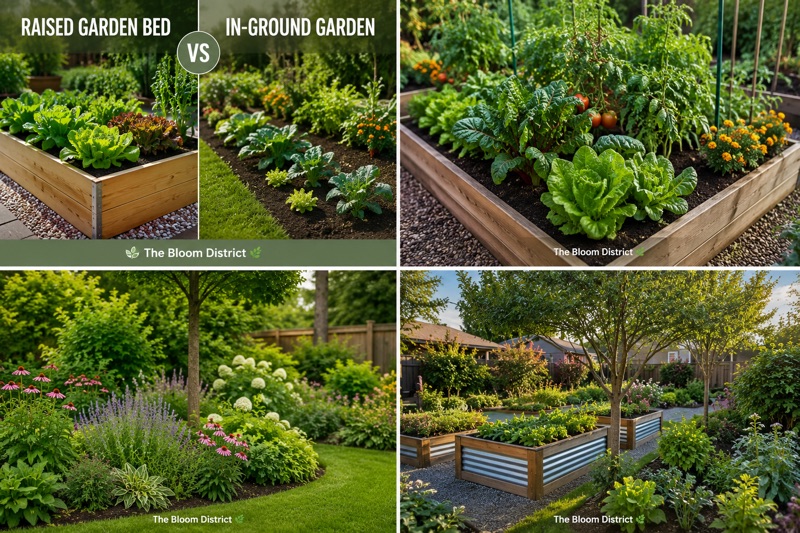
Imagine stepping into your garden on a quiet morning. The sunlight touches the leaves, the soil feels rich beneath your hands, and tiny seedlings begin their journey toward becoming healthy plants.
But before planting your first seed, there is one important decision every gardener faces:
Should you grow plants in a raised garden bed, or plant directly into the ground?
Both methods can create beautiful, productive gardens. However, the right choice depends on your soil quality, available space, climate, budget, and the type of plants you want to grow.
A raised bed can transform a small backyard, balcony, or difficult soil area into a productive growing space. Meanwhile, an in-ground garden connects your plants directly with the natural ecosystem beneath your feet.
So, which one is better?
Let’s explore the differences.
🌿 Quick Comparison: Raised Beds vs In-Ground Gardens
|
Feature |
Raised Garden Bed |
In-Ground Garden |
|
Soil Control |
⭐️⭐️⭐️⭐️⭐️ Excellent |
⭐️⭐️ Limited |
|
Starting Cost |
Higher |
Lower |
|
Maintenance |
Easier |
Requires more work |
|
Drainage |
Excellent |
Depends on soil |
|
Weed Control |
Easier |
More weeds |
|
Plant Variety |
Great for vegetables & herbs |
Great for large plants & trees |
|
Accessibility |
Better for seniors and limited mobility |
Requires bending and kneeling |
|
Soil Temperature |
Warms faster |
More stable |
|
Space Requirements |
Works in small spaces |
Needs available land |
What Is a Raised Garden Bed? 🌱
A raised garden bed is a gardening area where soil is placed above ground level inside a container or frame.
The structure is usually made from:
- Wood
- Metal
- Stone
- Recycled materials
Instead of using the existing soil, gardeners fill the bed with a custom soil mixture designed for healthy plant growth.
A typical raised bed mix includes:
🌿 Compost
🌿 Garden soil
🌿 Coconut coir or peat moss
🌿 Perlite or other drainage materials
This gives gardeners complete control over the growing environment.
What Is an In-Ground Garden? 🌳
An in-ground garden is the traditional gardening method where plants grow directly in the natural soil.
The gardener prepares the existing land by:
- Removing weeds
- Improving soil structure
- Adding compost
- Adjusting nutrients and pH levels
This method has been used for thousands of years and allows plants to develop deeper root systems by connecting naturally with the earth.
Raised Garden Beds: Advantages and Disadvantages
🌱 Benefits of Raised Garden Beds
1. Complete Control Over Soil Quality
One of the biggest advantages of raised beds is soil control.
Many gardeners struggle with:
- Heavy clay soil
- Sandy soil
- Poor drainage
- Contaminated soil
A raised bed allows you to create the perfect growing environment from the beginning.
Example:
Instead of spending years improving poor soil, you can fill your raised bed with rich, balanced soil and start growing immediately.
2. Better Drainage
Excess water is one of the biggest causes of plant problems, especially:
- Root rot
- Yellow leaves
- Fungal diseases
Raised beds naturally improve drainage because water can move more freely through the soil.
This makes them excellent for plants that dislike wet roots, such as:
🌿 Lavender
🌿 Rosemary
🌿 Tomatoes
🌿 Succulents
3. Fewer Weeds
Because raised beds usually contain fresh soil, they often have fewer weed problems compared with traditional gardens.
The higher soil level also makes removing unwanted plants much easier.
Instead of spending hours pulling weeds, you can spend more time caring for your plants.
4. Easier Gardening Experience
Raised beds are especially helpful for:
- Older gardeners
- People with back problems
- Small-space gardeners
The elevated design reduces bending and makes planting, watering, and harvesting more comfortable.
5. Longer Growing Season
The soil in raised beds warms faster during spring.
This allows gardeners to:
- Plant earlier
- Harvest sooner
- Extend the growing season
This advantage is especially useful in cooler climates.
⚠️ Disadvantages of Raised Garden Beds
1. Higher Initial Cost
Building a raised bed requires materials and soil.
Costs may include:
- Bed frame
- Quality soil
- Compost
- Drainage materials
However, many gardeners consider it a long-term investment.
2. Requires More Water
Because raised beds drain efficiently, they may dry out faster than in-ground gardens.
During hot weather, plants may need:
- More frequent watering
- Mulch protection
- Drip irrigation
3. Limited Root Space
Some large plants may struggle in raised beds.
Examples:
❌ Large trees
❌ Deep-rooted shrubs
❌ Some perennial plants
These plants usually perform better directly in the ground.
🌳 In-Ground Gardens: Advantages and Disadvantages
An in-ground garden connects your plants directly with the natural environment beneath the surface.
Unlike raised beds, plants grow in the existing soil, allowing roots to explore deeper layers of the earth and interact with natural microorganisms.
For gardeners who have healthy soil and enough outdoor space, this traditional method can create a thriving and sustainable garden.
🌿 Benefits of In-Ground Gardens
1. Lower Cost and Easy Setup
One of the biggest advantages of an in-ground garden is affordability.
You do not need to purchase:
- Raised bed frames
- Large amounts of soil
- Extra materials
You can simply prepare the existing area, improve the soil, and begin planting.
This makes in-ground gardening an excellent choice for beginners who want to start gardening with a limited budget.
2. More Space for Large Plants
Plants with extensive root systems often perform better in natural soil.
Examples include:
🌳 Fruit trees
🌿 Large shrubs
🌻 Perennial flowers
🥕 Deep-rooted vegetables
Because roots can grow freely downward and outward, plants often become stronger and more established.
3. Better Moisture Retention
Natural soil usually holds moisture longer than raised beds.
This can be especially beneficial in:
- Hot climates
- Large gardens
- Areas with limited water availability
Deep soil layers remain cooler and provide plants with more consistent moisture.
4. A More Natural Ecosystem
An in-ground garden creates a connection between plants, soil organisms, insects, and microorganisms.
Healthy garden soil contains:
- Earthworms
- Beneficial fungi
- Helpful bacteria
These organisms improve soil structure and help plants absorb nutrients.
5. Suitable for Large Landscapes
If you have a large backyard, an in-ground garden allows you to create:
- Flower borders
- Vegetable fields
- Fruit tree areas
- Natural landscapes
You are not limited by the size of a container or garden bed.
⚠️ Disadvantages of In-Ground Gardens
1. Poor Soil Can Become a Major Problem
The quality of your existing soil determines your gardening success.
Many gardeners face challenges such as:
Heavy Clay Soil
- Poor drainage
- Hard texture
- Difficult root growth
Sandy Soil
- Drains too quickly
- Loses nutrients easily
Compacted Soil
- Prevents roots from spreading
Improving poor soil may require months or even years of adding compost and organic materials.
2. More Weed Problems
Because in-ground gardens are connected to the natural environment, weeds can easily appear.
Common garden weeds compete with plants for:
- Water
- Sunlight
- Nutrients
Regular maintenance is often required.
3. More Exposure to Pests and Diseases
Plants growing directly in the ground may have greater contact with:
- Soil insects
- Plant diseases
- Fungal problems
Healthy soil management and crop rotation become important.
🌱 Raised Garden Bed vs In-Ground Garden: Soil Comparison
|
Soil Factor |
Raised Bed |
In-Ground Garden |
|
Soil Quality Control |
Complete control |
Depends on existing soil |
|
Nutrient Management |
Easier |
Requires improvement |
|
Drainage |
Usually excellent |
Depends on location |
|
Soil Life |
Good but needs development |
Rich natural ecosystem |
|
Soil Replacement |
Easy |
Difficult |
🥕 Which Is Better for Growing Vegetables?
Both methods can grow vegetables successfully, but each has advantages.
Best Vegetables for Raised Beds:
🥬 Lettuce
🍅 Tomatoes
🥕 Carrots
🌶 Peppers
🌿 Herbs
🥒 Cucumbers
Raised beds are excellent because vegetables need:
- Nutrient-rich soil
- Good drainage
- Easy access
Best Plants for In-Ground Gardens:
🌳 Fruit trees
🌹 Roses
🌿 Large shrubs
🌻 Permanent flower gardens
🌲 Landscaping plants
These plants benefit from deep root development.
🌸 Which Is Better for Flower Gardens?
The answer depends on your goal.
Choose Raised Beds For:
✔ Small decorative flower areas
✔ Seasonal flowers
✔ Modern garden designs
✔ Controlled soil conditions
Examples:
- Petunias
- Marigolds
- Tulips
- Lavender
Choose In-Ground Gardens For:
✔ Natural landscapes
✔ Large flower borders
✔ Permanent planting areas
Examples:
- Roses
- Hydrangeas
- Shrubs
- Native plants
🏡 Which Option Is Better for Small Spaces?
For homeowners with:
- Small yards
- Patios
- Balconies
- Urban homes
Raised garden beds are usually the better choice.
They allow you to create a productive garden almost anywhere.
A small raised bed can produce:
🌿 Fresh herbs
🥗 Salad vegetables
🌸 Beautiful flowers
without needing a large yard.
💰 Cost Comparison: Raised Bed vs In-Ground Garden
|
Cost Factor |
Raised Garden Bed |
In-Ground Garden |
|
Initial Setup |
Higher |
Lower |
|
Soil Cost |
Higher |
Lower |
|
Maintenance Cost |
Moderate |
Low to Moderate |
|
Long-Term Value |
High |
High |
|
Best Budget Choice |
❌ |
✅ |
🌍 Climate Considerations
Your climate plays an important role when choosing your gardening method.
Hot and Dry Climates ☀️
In-ground gardens may have an advantage because:
- Soil stays cooler
- Moisture lasts longer
- Roots grow deeper
However, raised beds can still work well with:
✔ Mulch
✔ Drip irrigation
✔ Shade protection
Cold Climates ❄️
Raised beds often perform better because:
- Soil warms faster
- Planting can start earlier
- Drainage improves
🌿 The Bloom District Garden Recommendation
There is no single winner.
The best choice depends on your gardening goals.
Choose a Raised Garden Bed if you:
✅ Have poor soil
✅ Want easier maintenance
✅ Grow vegetables and herbs
✅ Have limited space
✅ Prefer a clean modern garden design
Choose an In-Ground Garden if you:
✅ Have healthy soil
✅ Want large plants or trees
✅ Have a bigger yard
✅ Prefer a natural landscape
✅ Want lower setup costs
🌱 The Perfect Combination: A Hybrid Garden
Many experienced gardeners use both methods.
A hybrid garden combines:
🌿 Raised beds for vegetables and herbs
🌳 In-ground planting for trees and shrubs
This creates a balanced garden that is both productive and beautiful.
Example:
Backyard Layout Idea
🌳 Fruit Trees
|
🌸 Flower Border
|
━━━━━━━━━━━━
🥕 Raised Vegetable Beds
━━━━━━━━━━━━
🌿 Herb Garden
🌟 Final Thoughts
Choosing between a raised garden bed and an in-ground garden is not about finding the “best” method.
It is about creating the right environment for your plants.
A raised bed gives you control, convenience, and flexibility.
An in-ground garden gives plants space, natural connections, and long-term growth.
The best garden is the one that matches your space, lifestyle, and gardening dreams.
❓Frequently Asked Questions (FAQ)
Are raised garden beds better than in-ground gardens?
Raised beds are better for gardeners who need soil control, easier maintenance, and better drainage. In-ground gardens are better when the natural soil is healthy and space is available.
Do plants grow faster in raised beds?
Many plants grow faster in raised beds because the soil warms quickly and contains optimized nutrients.
Are raised garden beds expensive?
The initial cost is higher, but they can provide years of productive gardening with proper care.
Can I grow trees in raised beds?
Most trees need deep root space and usually perform better in the ground. Small dwarf trees may grow successfully in large raised containers.
Which garden method is better for beginners?
Raised beds are often easier for beginners because they provide more control over soil, weeds, and drainage.
Related Articles
Comments
Post a Comment