
Gardening Tips for Beginners: A Complete Guide to Growing Your First Successful Garden
Meta Title: Gardening Tips for Beginners: The Ultimate Guide to Starting a Thriving Garden
Meta Description: Discover the best gardening tips for beginners, including choosing the right plants, preparing soil, watering correctly, and avoiding common mistakes for a healthy, beautiful garden.
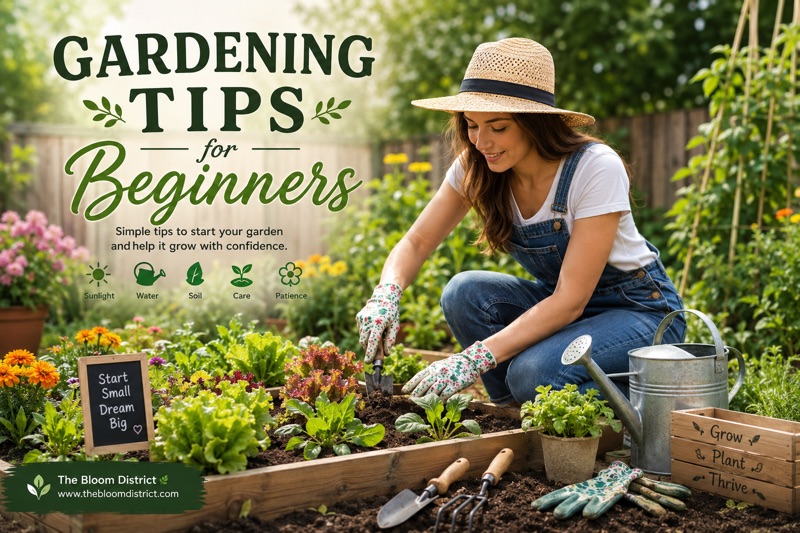
Gardening Tips for Beginners 🌱
Starting your first garden is exciting—but it can also feel overwhelming. You walk into a garden center and suddenly you’re surrounded by hundreds of plants, dozens of soil types, and shelves full of gardening tools. Where do you even begin?
The good news is that successful gardening isn’t about having a “green thumb.” It’s about understanding a few basic principles and learning from experience.
Whether you’re growing flowers, herbs, vegetables, or houseplants, this beginner-friendly guide will help you build confidence and create a healthy, thriving garden from day one.
🌼 Quick Beginner Gardening Checklist
|
Task |
Why It Matters |
Beginner Friendly |
|
Choose an area with enough sunlight |
Plants need light for growth |
✅… |
|
Start with easy plants |
Builds confidence |
✅… |
|
Use quality soil |
Healthy roots grow in healthy soil |
✅… |
|
Water consistently |
Prevents stress |
✅… |
|
Feed plants when needed |
Supports healthy growth |
✅… |
|
Watch for pests weekly |
Early detection saves plants |
✅… |
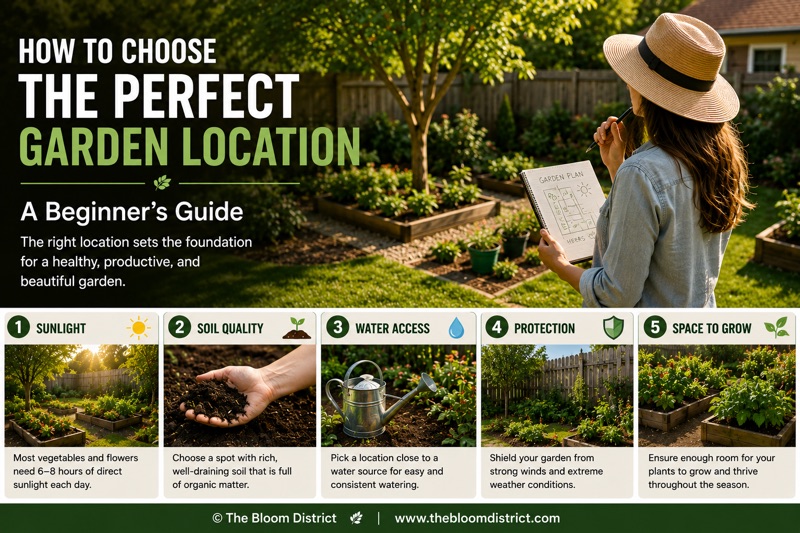
🌞 Step 1: Choose the Right Location
The location of your garden determines how successful it will be.
Most vegetables, flowers, and herbs require 6–8 hours of direct sunlight every day.
Before planting:
- Observe your yard throughout the day.
- Notice which areas stay sunny.
- Avoid planting in constantly shaded locations unless you’re growing shade-loving plants.
Best Locations
✅ South-facing gardens
✅ Balconies with morning sunlight
✅ Sunny patios
✅ Raised beds with good drainage
🌱 Step 2: Start Small
One of the biggest mistakes beginners make is planting too much.
A smaller garden is easier to:
- Water
- Weed
- Maintain
- Learn from
Instead of planting twenty different plants, begin with five or six varieties.
Small successes build confidence.
🪴 Easy Plants for Beginners
|
Plant |
Difficulty |
Growing Speed |
Best For |
|
Basil |
⭐️ |
Fast |
Containers |
|
Lettuce |
⭐️ |
Very Fast |
Raised Beds |
|
Mint |
⭐️ |
Fast |
Pots |
|
Marigolds |
⭐️ |
Easy |
Flower Beds |
|
Tomatoes |
⭐️⭐️ |
Moderate |
Vegetable Gardens |
|
Zinnias |
⭐️ |
Easy |
Pollinator Gardens |
🌿 Step 3: Invest in Healthy Soil
Think of soil as your plants’ home.
Good soil provides:
- Nutrients
- Water retention
- Oxygen
- Root support
Healthy soil should feel:
- Loose
- Dark
- Rich in organic matter
- Well-draining
Improve poor soil by adding:
- Compost
- Leaf mold
- Organic matter
- Aged manure
Avoid compacted clay whenever possible.
🌍 Healthy Soil vs Poor Soil
|
Healthy Soil |
Poor Soil |
|
Crumbly texture |
Hard and compact |
|
Rich organic matter |
Very little nutrients |
|
Drains well |
Waterlogged or bone dry |
|
Full of earthworms |
Lifeless |
💧 Step 4: Water the Right Way
Many beginners accidentally kill plants with kindness.
Overwatering causes more problems than underwatering.
A Better Watering Routine
✔ Water deeply
✔ Water in the morning
✔ Allow the top inch of soil to dry between waterings (for most plants)
✔ Water the roots—not the leaves
Signs of Overwatering
- Yellow leaves
- Mushy stems
- Moldy soil
- Fungus gnats
- Root rot
Signs of Underwatering
- Dry soil
- Crispy leaf edges
- Drooping plants
- Slow growth
☀️ Step 5: Understand Sunlight Needs
Not every plant wants full sun.
Different plants thrive under different light conditions.
|
Light Level |
Hours |
Examples |
|
Full Sun |
6-8+ hours |
Tomatoes, Peppers |
|
Partial Sun |
4-6 hours |
Spinach, Lettuce |
|
Partial Shade |
2-4 hours |
Hydrangeas |
|
Full Shade |
Under 2 hours |
Ferns, Hostas |
Choosing plants that match your available light dramatically increases success.
🌸 Step 6: Feed Plants Properly
Plants eventually use up nutrients from the soil.
Adding fertilizer helps maintain healthy growth.
Organic Options
- Compost
- Fish emulsion
- Worm castings
- Seaweed fertilizer
Avoid applying too much fertilizer.
More fertilizer does not mean faster growth.
🌿 Step 7: Keep Weeds Under Control
Weeds compete with your plants for:
- Water
- Nutrients
- Sunlight
Remove weeds while they’re still small.
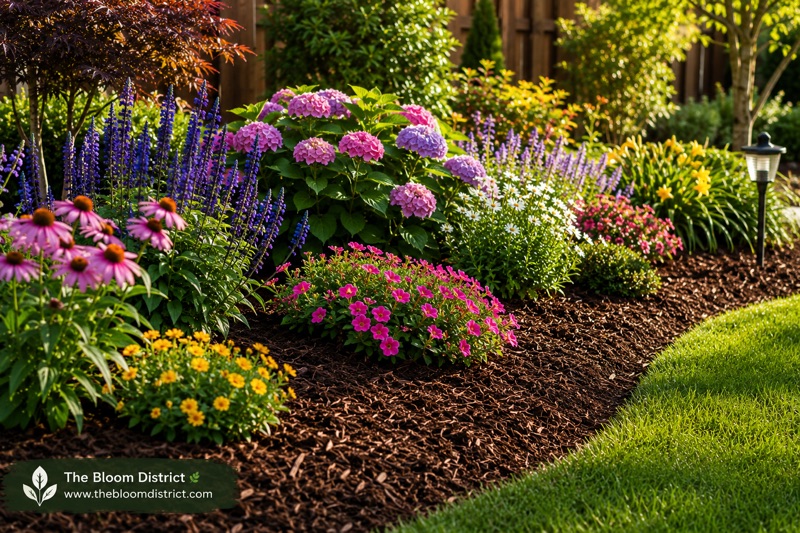
Mulch also helps reduce weed growth.
🍂 Step 8: Mulch Your Garden
Mulch is one of gardening’s best-kept secrets.
Benefits include:
- Conserves moisture
- Reduces weeds
- Regulates soil temperature
- Improves soil over time
Popular mulch materials:
- Bark chips
- Straw
- Shredded leaves
- Compost
🐝 Step 9: Encourage Pollinators
Pollinators make gardens healthier and more productive.
Plant flowers that attract:
- Bees
- Butterflies
- Hoverflies
Excellent beginner choices:
- Lavender
- Zinnias
- Cosmos
- Sunflowers
- Coneflowers
Avoid unnecessary pesticide use whenever possible.
🐛 Step 10: Check Plants Every Week
Spend just five minutes inspecting your plants.
Look for:
- Yellow leaves
- Holes in foliage
- Insects
- Mold
- Wilting
Small problems are much easier to fix early.
🚫 Common Beginner Gardening Mistakes
|
Mistake |
Better Approach |
|
Overwatering |
Check soil before watering |
|
Planting too close |
Follow spacing guidelines |
|
Ignoring sunlight |
Match plants to available light |
|
Using poor soil |
Improve with compost |
|
Overfertilizing |
Feed only as directed |
|
Giving up too soon |
Gardening improves with experience |
🌻 Seasonal Gardening Tips
Spring
- Prepare soil
- Plant cool-season crops
- Divide perennials
Summer
- Water deeply
- Mulch heavily
- Harvest regularly
Autumn
- Add compost
- Plant bulbs
- Clean garden beds
Winter
- Plan next year’s garden
- Maintain tools
- Protect tender plants
Essential Gardening Tools for Beginners
You don’t need an expensive collection of equipment to get started.
Basic tools include:
- Hand trowel
- Pruning shears
- Watering can or hose
- Gardening gloves
- Hand rake
- Garden fork
- Bucket
- Kneeling pad
Start with quality essentials and expand your toolkit as your gardening skills grow.
Beginner Gardening Success Tips
✔ Start with healthy plants.
✔ Learn about one plant at a time.
✔ Keep a simple gardening journal.
✔ Water consistently rather than randomly.
✔ Observe your garden every day.
✔ Don’t be afraid of mistakes—they’re part of learning.
❓Frequently Asked Questions
How often should beginners water their garden?
Most gardens benefit from deep watering once or twice a week, depending on weather, soil type, and the needs of each plant. Always check the soil before watering instead of following a fixed schedule.
What’s the easiest vegetable to grow?
Lettuce, radishes, green beans, and cherry tomatoes are among the easiest vegetables for beginners because they germinate quickly and are generally forgiving.
Can I start gardening in containers?
Absolutely. Container gardening is ideal for beginners, especially if you have limited outdoor space. Just make sure your containers have drainage holes and use a quality potting mix.
How can I tell if my plant is getting enough sunlight?
Healthy growth, sturdy stems, and vibrant leaf color are good signs. Plants that become tall, weak, or lean toward the light usually need more sun.
What should I do if my plants develop pests?
Inspect the affected plant closely, remove damaged leaves, and identify the pest before treating it. Many common pests can be controlled with hand removal, insecticidal soap, or by encouraging beneficial insects.
Final Thoughts
Every experienced gardener started as a beginner. The secret isn’t avoiding mistakes—it’s observing your plants, learning from each season, and enjoying the process.
Start small, focus on healthy soil, provide the right amount of sunlight and water, and be patient. Over time, your confidence will grow along with your garden, turning a simple hobby into a rewarding lifelong passion.
Related Articles
Comments
Post a Comment