
🌿 Spring Gardening Checklist: 25 Essential Tasks to Prepare Your Garden for a Beautiful Growing Season
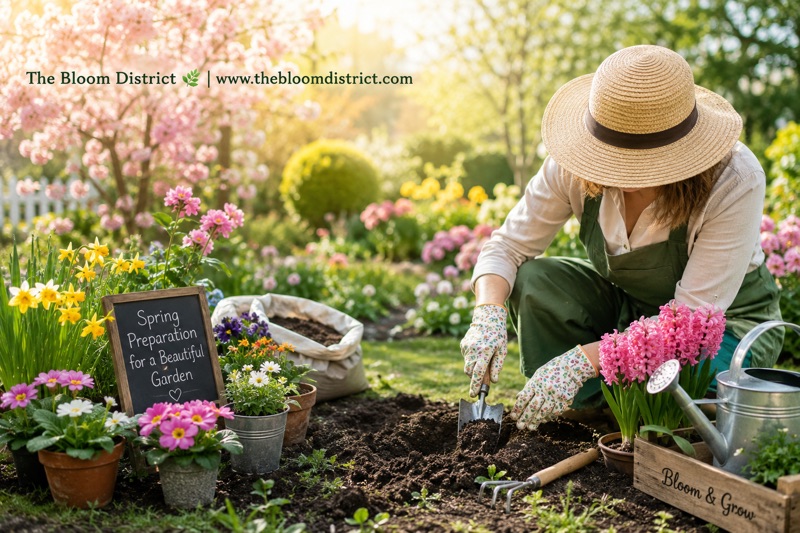
🌸 Spring Is Nature’s Wake-Up Call
After months of cold weather, shorter days, and dormant plants, spring arrives like a gentle invitation from nature.
The garden begins to change slowly.
New leaves appear. Tiny buds open. The soil becomes alive again. Birds return, and forgotten corners of the garden start showing signs of growth.
But a beautiful spring garden does not happen by accident.
The healthiest gardens are created before the first flowers bloom — through preparation, observation, and small tasks done at the right time.
Whether you have a large backyard, a small balcony garden, or a few favorite houseplants outdoors, spring is the perfect season to refresh your growing space and give your plants the strong foundation they need.
In this complete Spring Gardening Checklist, we will walk through the essential tasks every gardener should complete — from preparing soil and pruning plants to planting new flowers and preventing common problems before they appear.
Think of this guide as your seasonal roadmap to a greener, healthier, and more beautiful garden.
⚡ Spring Gardening Checklist at a Glance 🌿
|
Task |
Best Time |
Why It Matters |
|
Clean garden beds |
Early spring |
Removes winter debris and prepares growing areas |
|
Test soil quality |
Early spring |
Helps plants receive the right nutrients |
|
Add compost |
Before planting |
Improves soil structure and fertility |
|
Prune plants |
Late winter–early spring |
Encourages healthy new growth |
|
Inspect irrigation |
Before hot weather |
Prevents watering problems |
|
Plant flowers & vegetables |
After frost risk |
Gives plants the best start |
|
Add mulch |
After planting |
Conserves moisture and controls weeds |
|
Check for pests |
Throughout spring |
Prevents early infestations |
📑 Table of Contents
- 🌱 Why Spring Garden Preparation Matters
- 🧹 Clean and Refresh Your Garden Space
- 🌍 Improve Your Soil Before Planting
- ✂️ Spring Pruning: What to Cut and What to Keep
- 🌸 Planting New Flowers and Vegetables
- 💧 Preparing Your Watering System
- 🐞 Preventing Spring Garden Pests and Diseases
- 🌳 Caring for Trees and Shrubs in Spring
- 🌿 Lawn Care Checklist for Spring
- ⚠️ Common Spring Gardening Mistakes
- 💡 Expert Spring Gardening Tips
- ❓ Frequently Asked Questions
- 📌 Quick Spring Gardening Summary
🌱 Why Spring Garden Preparation Matters
Spring is not only a planting season — it is a recovery season.
During winter, gardens experience several changes:
- Soil can become compacted.
- Dead leaves and plant debris accumulate.
- Some plants become damaged by cold temperatures.
- Irrigation systems may need repairs.
- Pests and diseases may begin returning as temperatures rise.
A few hours of preparation in early spring can prevent many problems later.
A prepared garden will usually have:
✅ Stronger plant growth
✅ Better flowering
✅ Healthier roots
✅ Fewer pest problems
✅ Improved water efficiency
A common mistake among new gardeners is rushing directly into planting.
But successful gardening begins beneath the surface.
Healthy soil, proper pruning, and good planning create the environment where plants can truly thrive.
🌿 Garden Note
“Spring is not the moment when the garden begins. It is the moment when gardeners prepare the future.”
🧹 1. Clean and Refresh Your Garden After Winter
Before adding new plants or seeds, your garden needs a fresh start.
Winter often leaves behind:
- Fallen leaves
- Broken branches
- Dead plant material
- Weeds
- Damaged stems
- Old mulch
Begin by carefully cleaning garden beds, pathways, and planting areas.
However, avoid removing every piece of organic material. Some natural debris can provide shelter for beneficial insects and contribute nutrients back into the soil.
🌱 Spring Cleaning Checklist
|
Task |
How To Do It |
Benefit |
|
Remove dead leaves |
Clear thick layers from beds |
Prevents fungal problems |
|
Collect fallen branches |
Remove damaged wood |
Keeps garden tidy and safe |
|
Pull early weeds |
Remove roots completely |
Reduces competition for plants |
|
Clean garden tools |
Wash and disinfect tools |
Prevents disease spread |
|
Refresh pathways |
Remove dirt and debris |
Improves garden appearance |
🌍 2. Test Your Soil Before Planting
Great gardens begin with healthy soil.
Before adding fertilizers or planting new flowers, understand what your soil needs.
A soil test helps identify:
- pH level
- Nutrient deficiencies
- Soil texture problems
Most garden plants prefer slightly acidic to neutral soil, but the ideal range depends on the plant type.
🌱 Signs Your Soil May Need Improvement
|
Problem |
Possible Cause |
Solution |
|
Plants grow slowly |
Lack of nutrients |
Add compost or organic fertilizer |
|
Leaves turn yellow |
Nutrient imbalance |
Test soil and adjust |
|
Water stays on surface |
Compacted soil |
Add organic matter |
|
Roots struggle |
Poor soil structure |
Improve drainage |
🌿 3. Add Compost and Organic Matter
Spring is the perfect time to feed your soil naturally.
Compost works like a natural energy source for your garden by improving:
✅ Soil structure
✅ Moisture retention
✅ Root development
✅ Microbial activity
Spread a layer of compost over your garden beds and gently mix it into the top few inches of soil.
🌱 Best Organic Materials for Spring Soil Improvement
|
Material |
Best For |
|
Homemade compost |
General garden improvement |
|
Aged manure |
Vegetable gardens and flowers |
|
Leaf compost |
Improving soil texture |
|
Worm castings |
Gentle nutrient boost |
✂️ 4. Prune Plants at the Right Time
Spring pruning encourages healthy growth — but timing is important.
Not every plant should be pruned in early spring.
Some flowering shrubs produce blooms on old branches, and cutting them too early may remove future flowers.
✂️ Spring Pruning Guide
|
Plant Type |
Pruning Advice |
|
Roses |
Remove dead and weak branches |
|
Fruit trees |
Shape branches before active growth |
|
Evergreen shrubs |
Light trimming only |
|
Spring flowering shrubs |
Prune after flowering |
🌿 Pruning Golden Rule:
“Remove what is damaged, diseased, or overcrowded — but protect healthy growth.”
🌸 5. Plan Your Spring Planting
Spring is one of the busiest planting seasons because many plants establish quickly before summer heat arrives.
Before buying new plants, consider:
- Sunlight availability
- Soil type
- Climate zone
- Water requirements
- Mature plant size
🌼 Popular Spring Garden Choices
|
Plant |
Light Needs |
Best Feature |
|
Lavender |
Full sun |
Fragrant flowers and drought tolerance |
|
Marigolds |
Full sun |
Natural pest resistance |
|
Petunias |
Sun to partial shade |
Long flowering season |
|
Basil |
Full sun |
Easy edible garden plant |
|
Tomatoes |
Full sun |
Popular vegetable crop |
🥕 6. Prepare Vegetable Gardens
If you grow vegetables, spring preparation can determine your harvest success.
Before planting:
- Remove old plant debris.
- Loosen compacted soil.
- Add compost.
- Plan crop spacing.
- Install supports for climbing plants.
🌱 Cool-Season Vegetables
These can often be planted earlier:
- Lettuce
- Spinach
- Carrots
- Peas
- Radishes
☀️ Warm-Season Vegetables
Wait until temperatures rise:
- Tomatoes
- Peppers
- Cucumbers
- Squash
- Basil
💧 7. Check and Prepare Your Irrigation System
A beautiful garden needs consistent watering.
Before plants enter active growth:
Inspect your watering system.
Check:
- Leaking pipes
- Blocked sprinklers
- Broken hoses
- Uneven water distribution
💧 Water Efficiency Tips
|
Tip |
Benefit |
|
Water early morning |
Reduces evaporation |
|
Use mulch |
Keeps soil moisture longer |
|
Group plants by water needs |
Prevents overwatering |
|
Repair leaks quickly |
Saves water |
🌳 8. Care for Trees and Shrubs
Trees and shrubs create the structure of your garden, so spring care is essential.
Important tasks:
🌿 Remove damaged branches
🌿 Add compost around the root zone
🌿 Inspect bark for damage
🌿 Apply mulch around trees
Avoid placing mulch directly against tree trunks.
Leave a small space around the base to prevent moisture-related problems.
🐞 9. Inspect Plants for Early Pest Problems
Spring is when many garden pests become active again.
Regular inspection is one of the easiest ways to prevent serious damage.
Look under leaves and around stems for:
- Aphids
- Spider mites
- Whiteflies
- Caterpillars
- Scale insects
🌱 Natural Prevention Methods
|
Method |
Purpose |
|
Encourage beneficial insects |
Natural pest control |
|
Remove infected leaves |
Stops spreading |
|
Use neem oil when needed |
Helps control pests |
|
Keep plants healthy |
Strong plants resist damage |
🌿 10. Add Mulch for a Healthier Garden
Mulch is one of the simplest spring improvements.
A good mulch layer helps:
✅ Reduce weeds
✅ Maintain moisture
✅ Protect roots
✅ Improve garden appearance
Recommended mulch materials:
- Wood chips
- Straw
- Bark mulch
- Shredded leaves
Apply approximately 2–3 inches, keeping it away from plant stems.
🌱 11. Refresh Your Lawn After Winter
A healthy lawn creates the foundation of a beautiful garden landscape.
After winter, grass may appear:
- Thin
- Yellow
- Compacted
- Covered with dead material
Spring is the ideal time to bring your lawn back to life.
🌿 Spring Lawn Care Checklist
|
Task |
When to Do It |
Why It Helps |
|
Remove dead grass (thatch) |
Early spring |
Allows air and water to reach roots |
|
Aerate compacted areas |
Spring |
Improves root growth |
|
Add grass seed |
When temperatures are suitable |
Repairs bare patches |
|
Fertilize carefully |
After active growth begins |
Provides nutrients |
|
Adjust mowing height |
During growth season |
Protects grass health |
🌱 Lawn Tip:
Avoid cutting grass too short in spring. Longer grass blades create stronger roots and help the lawn handle heat later in the season.
🌼 12. Create a Spring Garden Plan
Before purchasing plants, create a simple garden map.
Planning prevents common problems such as:
- Overcrowded plants
- Wrong plant placement
- Too much shade
- High maintenance areas
Consider:
🌞 Sun exposure
💧 Water availability
🌱 Plant size at maturity
🎨 Color combinations
🌿 Seasonal interest
📊 Simple Garden Planning Guide
|
Garden Area |
Recommended Plants |
|
Full sun areas |
Lavender, roses, herbs |
|
Partial shade |
Ferns, hostas, begonias |
|
Small balconies |
Containers, herbs, compact flowers |
|
Low-maintenance spaces |
Native plants, drought-tolerant plants |
🌺 13. Divide and Transplant Perennials
Spring is a good time to refresh crowded perennial plants.
Plants may need dividing when:
- The center becomes empty.
- Growth becomes weaker.
- Plants spread beyond their space.
Popular plants that can be divided:
- Hostas
- Daylilies
- Ornamental grasses
- Irises
Dividing plants helps:
✅ Improve flowering
✅ Create new garden areas
✅ Keep plants healthier
🌿 14. Prepare Containers and Balcony Gardens
Small gardens need spring preparation too.
Before planting:
- Clean old containers.
- Replace exhausted soil.
- Check drainage holes.
- Choose suitable plants.
🪴 Container Gardening Tips
|
Problem |
Solution |
|
Soil dries quickly |
Add compost and mulch |
|
Poor drainage |
Improve drainage holes |
|
Plants look weak |
Refresh soil nutrients |
|
Limited space |
Use vertical gardening |
🌱 15. Start Seeds Indoors
Starting seeds indoors gives plants a stronger beginning.
Good choices include:
- Tomatoes
- Peppers
- Basil
- Flowers
Benefits:
🌿 Earlier harvest
🌿 Stronger seedlings
🌿 More plant variety
Move seedlings outdoors gradually to avoid transplant shock.
⚠️ Common Spring Gardening Mistakes
Even experienced gardeners can make mistakes in spring.
Avoid these common problems:
❌ Mistake 1: Planting Too Early
Warm days can be misleading.
A sudden cold period can damage young plants.
Solution:
Check your local frost dates before planting sensitive plants.
❌ Mistake 2: Overwatering New Plants
Many gardeners assume new plants need constant water.
Too much water can cause:
- Root rot
- Weak growth
- Fungal diseases
Solution:
Water deeply but allow soil to partially dry between watering.
❌ Mistake 3: Ignoring Soil Health
Adding plants without improving soil often leads to disappointing results.
Solution:
Focus on soil first, plants second.
❌ Mistake 4: Using Too Much Fertilizer
More fertilizer does not always mean better growth.
Excess nutrients can:
- Burn roots
- Damage plants
- Pollute water
Solution:
Follow recommended amounts.
💡 Expert Spring Gardening Tips
🌿 Tip 1: Observe Before You Act
Spend time looking at your garden.
Notice:
- Where sunlight falls
- Which plants survived winter
- Where water collects
Observation creates better decisions.
🌱 Tip 2: Choose Plants According to Your Lifestyle
The most beautiful garden is one you can maintain.
Choose plants based on:
- Available time
- Climate
- Water availability
- Garden size
🐝 Tip 3: Welcome Helpful Wildlife
A healthy garden is an ecosystem.
Attract beneficial visitors by adding:
- Native flowers
- Pollinator plants
- Small water sources
Butterflies, bees, and beneficial insects help create balance.
❓ Frequently Asked Questions (FAQ)
When should I start preparing my garden for spring?
The best time is usually late winter to early spring, depending on your climate zone. Start cleaning, checking soil, and planning before active plant growth begins.
Should I fertilize my garden in early spring?
Yes, but only after understanding your soil needs. Compost is often the safest first step because it improves soil naturally.
What should I plant first in spring?
Cool-season vegetables such as lettuce, peas, and spinach can often be planted early. Warm-season plants should wait until temperatures increase.
How often should I water my garden in spring?
Watering depends on rainfall, soil type, and plant needs. Check the soil moisture before watering instead of following a fixed schedule.
Should I prune all plants in spring?
No. Some plants should be pruned after flowering because they bloom on old growth.
📌 Quick Spring Gardening Summary
|
Category |
Essential Action |
|
Soil |
Test and improve with compost |
|
Plants |
Prune, divide, and plant carefully |
|
Water |
Repair irrigation and improve efficiency |
|
Pests |
Inspect early and use prevention methods |
|
Lawn |
Remove winter damage and encourage growth |
|
Design |
Plan before adding new plants |
🌿 Final Editor Note — The Bloom District 🌿
A successful spring garden is not created in one day. It is built through small, thoughtful actions that prepare the soil, protect plants, and invite new life.
With the right spring checklist, your garden can become a place of beauty, growth, and connection throughout the entire year.
The Bloom District 🌿 | www.thebloomdistrict.com
Comments
Post a Comment