
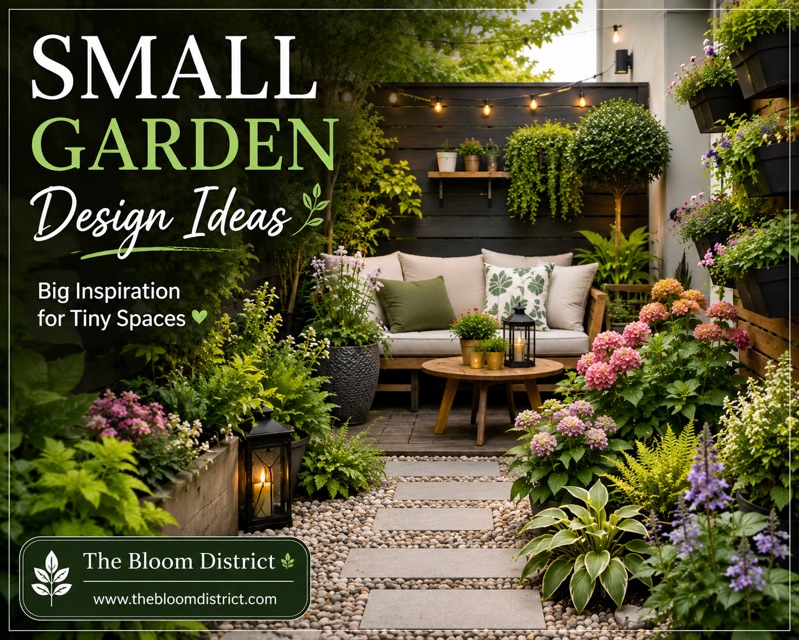
A small garden doesn’t have to limit your creativity. With smart planning, vertical gardening, layered planting, compact furniture, and carefully selected plants, even the smallest outdoor space can become a peaceful retreat. This guide explores 25 practical ideas, common design mistakes, recommended plants, and expert tips to help you create a garden that looks larger, feels inviting, and stays easy to maintain.
🌿 Why Small Gardens Are More Popular Than Ever
Modern homes often come with compact outdoor spaces, especially in urban and suburban neighborhoods. While a smaller yard may seem limiting, it actually offers exciting opportunities for creative landscaping.
Many homeowners now prefer smaller gardens because they require less maintenance, consume fewer resources, and can still provide a relaxing escape from everyday life. Whether you have a tiny backyard, a narrow side yard, a courtyard, or even a modest patio, thoughtful design can make every square foot count.
💡 Did You Know?
A well-designed small garden often feels more inviting than a large, poorly planned landscape. Strategic layouts and plant selection can create the illusion of a much bigger space.
🌱 Benefits of a Small Garden
Designing a compact garden comes with many advantages:
✅ Lower maintenance requirements
✅ Reduced water consumption
✅ Lower landscaping costs
✅ Easier seasonal care
✅ Faster planting and redesign
✅ Perfect for beginners
✅ Eco-friendly and sustainable
Because every element has a purpose, small gardens often achieve a polished, cohesive look with less effort.
🌿 25 Small Garden Design Ideas
🌼 1. Divide the Garden into Functional Zones
Instead of treating your garden as one open area, create separate zones for different activities.
For example:
- 🌸 A flower bed near the entrance
- 🪴 A small herb corner
- ☕ A seating area
- 🌳 A focal planting bed
- 🌿 A decorative border
Breaking the space into zones adds structure and makes the garden feel much larger than it actually is.
🌿 2. Think Vertically
When ground space is limited, look upward.
Vertical gardening allows you to grow more plants without sacrificing valuable floor space.
Popular options include:
- Hanging baskets
- Wooden trellises
- Wall planters
- Fence-mounted pots
- Living walls
- Climbing roses
- Clematis
- Jasmine vines
🌱 Pro Tip: Combine climbing plants with flowering annuals to create a lush, layered look throughout the growing season.
🌸 3. Choose a Consistent Color Palette
Too many colors can make a small garden feel busy and cluttered.
Instead, choose two or three complementary colors and repeat them throughout the space.
Popular combinations include:
- 🤍 White & Green
- 💜 Purple & Silver
- 💙 Blue & White
- 🌸 Pink & Lavender
Repeating colors creates harmony and visually expands the garden.
🪨 4. Install Curved Garden Paths
Straight paths reveal everything at once.
Curved pathways encourage exploration and naturally guide the eye through the landscape.
Excellent materials include:
- Natural stone
- Brick
- Gravel
- Stepping stones
Curves also soften hard lines, making the garden feel more organic.
🌱 5. Build Raised Garden Beds
Raised beds bring both beauty and practicality.
Benefits include:
✔ Better drainage
✔ Healthier soil
✔ Easier weed control
✔ Cleaner appearance
✔ Comfortable planting height
Wooden raised beds remain one of the most popular choices because they complement almost every garden style.
🌿 6. Add a Vertical Living Wall
A living wall transforms a plain fence into a vibrant feature.
Suitable plants include:
- Ferns
- Herbs
- Succulents
- Spider Plants
- Pothos
- Ivy
Living walls work especially well in courtyards and narrow gardens where floor space is limited.
💧 7. Include a Small Water Feature
Nothing adds tranquility quite like moving water.
Even a compact fountain can become the centerpiece of a small garden.
Popular choices include:
- Solar fountains
- Ceramic bowls
- Mini ponds
- Cascading water features
The gentle sound of water also helps reduce surrounding noise.
🌳 8. Plant in Layers
Professional landscape designers rarely place every plant at the same height.
Instead, they create layers.
For example:
Front Layer:
- Ground covers
- Creeping thyme
Middle Layer:
- Lavender
- Salvia
- Hydrangeas
Back Layer:
- Ornamental grasses
- Dwarf trees
- Tall shrubs
Layering adds depth and creates the illusion of a larger garden.
🪴 9. Decorate with Containers
Container gardening offers incredible flexibility.
You can rearrange pots whenever you want to refresh the design.
Mix containers of different:
- Heights
- Shapes
- Materials
- Colors
Grouping containers in odd numbers (3 or 5) often creates the most natural look.
🌼 10. Choose Compact Plants
Oversized shrubs can overwhelm a tiny landscape.
Instead, select plants bred specifically for smaller spaces.
Excellent options include:
|
Plant |
Maintenance |
Sunlight |
|
Lavender |
Low |
Full Sun |
|
Boxwood |
Low |
Full Sun / Partial Shade |
|
Dwarf Japanese Maple |
Low |
Partial Shade |
|
Salvia |
Low |
Full Sun |
|
Coneflower |
Low |
Full Sun |
|
Hosta |
Low |
Shade |
Compact varieties provide year-round beauty while maintaining proper scale.
⚠️ Common Mistake:
Many beginners purchase young plants without checking their mature size. A shrub that looks small today may eventually outgrow the entire garden.
🌿 11. Create a Cozy Seating Area
Your garden should be more than a place to grow plants—it should also be a place to relax.
Even the smallest outdoor space can accommodate a comfortable seating area with thoughtful planning.
☕ Great seating ideas include:
- A compact bistro table and two chairs
- A wooden garden bench
- Foldable outdoor furniture
- Built-in corner seating
- A hammock chair for a modern touch
Place seating where you can enjoy your favorite flowers or the morning sun without blocking pathways.
🌱 Pro Tip:
Add outdoor cushions in neutral colors to make the space feel warm and inviting while complementing the surrounding greenery.
💡 12. Use Outdoor Lighting to Add Atmosphere
Lighting allows you to enjoy your garden long after sunset.
It also highlights your favorite plants and creates depth, making the garden appear larger at night.
Popular lighting options:
- ✨ Solar pathway lights
- 💡 String lights
- 🏮 Lanterns
- 🌳 Spotlights for trees
- 🔆 LED wall lights
Solar-powered lighting is especially popular because it requires no wiring and has low operating costs.
🌸 13. Add Seasonal Color Throughout the Year
A beautiful garden should offer interest in every season.
Choose plants with different blooming periods so something is always flowering.
|
Season |
Recommended Plants |
|
🌸 Spring |
Tulips, Daffodils, Hyacinths |
|
☀️ Summer |
Petunias, Zinnias, Coneflowers |
|
🍂 Autumn |
Chrysanthemums, Sedum |
|
❄️ Winter |
Evergreen Shrubs, Hellebores |
This approach keeps your garden vibrant year-round.
🍅 14. Grow an Edible Garden
Small gardens can be both beautiful and productive.
Many herbs, vegetables, and fruits thrive in compact spaces.
Easy edible plants for beginners:
- Basil
- Rosemary
- Thyme
- Mint
- Lettuce
- Cherry Tomatoes
- Strawberries
- Spinach
Raised beds and containers work especially well for edible gardens.
🐝 15. Design a Pollinator-Friendly Garden
Pollinators play a vital role in maintaining healthy ecosystems.
By choosing nectar-rich flowers, you’ll attract bees, butterflies, and other beneficial insects.
Excellent pollinator plants include:
- Lavender
- Salvia
- Bee Balm
- Coneflower
- Black-Eyed Susan
- Catmint
💡 Did You Know?
Pollinator-friendly gardens can increase the productivity of nearby vegetables and fruit plants.
🪞 16. Use Mirrors to Create the Illusion of Space
Garden mirrors are a simple trick used by professional landscape designers.
When placed correctly, mirrors reflect plants and natural light, making a small garden appear almost twice its size.
Best locations:
- Behind flower beds
- On wooden fences
- Beside climbing plants
- Near shaded corners
Avoid placing mirrors where they reflect plain walls or direct sunlight.
🌳 17. Create a Strong Focal Point
Every successful garden needs a feature that naturally draws attention.
Ideas include:
- A decorative fountain
- A bird bath
- A specimen tree
- A sculpture
- A large ceramic planter
A single focal point gives the entire garden structure and purpose.
🌾 18. Mix Different Plant Textures
Flowers provide color, but foliage creates lasting interest.
Combining plants with different leaf shapes and textures adds richness to the design.
Try combining:
- Ornamental grasses
- Ferns
- Hostas
- Heuchera
- Succulents
The contrast between soft and bold foliage creates visual depth.
🌿 19. Use Decorative Gravel and Mulch
Ground covers are often overlooked, yet they play an important role in garden design.
Benefits include:
- Reduces weeds
- Conserves soil moisture
- Improves drainage
- Creates a clean appearance
- Requires minimal maintenance
Natural gravel pairs beautifully with Mediterranean and modern garden styles.
🎨 20. Choose a Garden Style
Having a consistent design theme makes your garden feel more intentional.
🌼 Cottage Garden
Features:
- Colorful flowers
- Curved borders
- Natural appearance
Best for:
People who love romantic, informal landscapes.
🌵 Modern Garden
Features:
- Clean lines
- Minimalist planting
- Concrete or stone
- Architectural plants
Best for:
Contemporary homes.
🌿 Mediterranean Garden
Features:
- Lavender
- Olive trees
- Rosemary
- Gravel paths
- Terracotta pots
Best for:
Dry, sunny climates.
🌾 Japanese Garden
Features:
- Stone
- Moss
- Bamboo
- Water features
- Simplicity
Best for:
Creating a peaceful retreat.
💰 21. Design Your Garden on a Budget
Creating a beautiful garden doesn’t require a large investment.
Budget-friendly ideas:
- Grow plants from seeds
- Divide existing perennials
- Repurpose wooden pallets
- Use recycled containers
- Collect rainwater for irrigation
- Make your own compost
Small improvements over time often create better results than a single expensive makeover.
🌱 22. Add Vertical Shelving
Shelves allow you to display multiple plants without taking up floor space.
They’re perfect for:
- Herbs
- Succulents
- Indoor-outdoor plants
- Decorative pots
Choose weather-resistant materials such as treated wood or metal.
🌺 23. Frame the Garden Entrance
A welcoming entrance creates a memorable first impression.
Ideas include:
- Garden arches
- Flowering vines
- Decorative gates
- Potted plants on both sides of the entrance
Framing the entry naturally draws visitors into the space.
🌼 24. Repeat Plants for a Cohesive Look
Repeating the same plants throughout the garden creates rhythm and unity.
Instead of buying many different species, choose a few favorites and repeat them in several locations.
This simple technique makes even a small garden appear professionally designed.
🌿 25. Keep It Simple
One of the biggest mistakes in small garden design is trying to include too much.
Leave open space between plants and features.
Remember:
Less is often more.
A clean, uncluttered layout feels larger, calmer, and easier to maintain.
📊 Comparison Table: Popular Small Garden Features
|
Feature |
Saves Space |
Maintenance |
Visual Impact |
Beginner Friendly |
|
Vertical Garden |
⭐️⭐️⭐️⭐️⭐️ |
⭐️⭐️⭐️ |
⭐️⭐️⭐️⭐️⭐️ |
✅ |
|
Raised Beds |
⭐️⭐️⭐️⭐️ |
⭐️⭐️⭐️⭐️ |
⭐️⭐️⭐️⭐️ |
✅ |
|
Container Garden |
⭐️⭐️⭐️⭐️⭐️ |
⭐️⭐️⭐️⭐️ |
⭐️⭐️⭐️⭐️ |
✅ |
|
Water Feature |
⭐️⭐️⭐️ |
⭐️⭐️⭐️ |
⭐️⭐️⭐️⭐️⭐️ |
⚠️ |
|
Living Wall |
⭐️⭐️⭐️⭐️⭐️ |
⭐️⭐️⭐️ |
⭐️⭐️⭐️⭐️⭐️ |
⚠️ |
|
Garden Lighting |
⭐️⭐️⭐️⭐️⭐️ |
⭐️⭐️⭐️⭐️⭐️ |
⭐️⭐️⭐️⭐️⭐️ |
✅ |
❌ Common Small Garden Design Mistakes to Avoid
Even with a small space, poor planning can make a garden feel crowded or difficult to maintain. Avoiding these common mistakes will help your outdoor area look more balanced and attractive.
🌿 1. Choosing Plants That Are Too Large
One of the most common mistakes is selecting plants based only on their current size.
A small tree or shrub may look perfect when young but can quickly become too large for the space.
Before planting, check:
✅ Mature plant height
✅ Root growth
✅ Light requirements
✅ Maintenance needs
🌱 Pro Tip:
Always design your garden based on the plant’s mature size, not its size at purchase.
🌱 2. Overcrowding the Garden
Adding too many plants can make a small garden feel messy and smaller.
A successful design needs empty spaces that allow the eye to rest.
Try:
- Fewer plant varieties
- Repeated colors
- Clear pathways
- Open areas around focal points
☀️ 3. Ignoring Sunlight Conditions
Every garden has different light levels.
Before choosing plants, observe your space:
|
Light Condition |
Suitable Plants |
|
Full Sun (6+ hours) |
Lavender, Salvia, Roses |
|
Partial Shade |
Hydrangea, Ferns, Hostas |
|
Shade |
Ferns, Ivy, Hellebores |
Choosing plants that match your garden’s conditions improves growth and reduces maintenance.
💧 4. Poor Watering Planning
Small gardens still need efficient irrigation.
Avoid:
❌ Watering randomly
❌ Choosing plants with very different water needs
❌ Ignoring drainage problems
Better solutions:
✅ Group plants with similar needs
✅ Use mulch to retain moisture
✅ Install drip irrigation where possible
🎨 5. Using Too Many Design Styles
Mixing several themes can make a small garden feel confusing.
For example:
❌ Japanese garden + tropical garden + cottage garden together
Instead:
Choose one main style and add small personal touches.
🌿 Best Plants for Small Gardens
Choosing the right plants is one of the most important steps in designing a compact outdoor space.
The best choices are usually:
- Compact
- Low maintenance
- Attractive throughout the year
- Suitable for your climate
🌸 Recommended Small Garden Plants
|
|
Best Feature |
Sun Requirement |
Maintenance |
|
Lavender |
Fragrance and purple flowers |
Full Sun |
Low |
|
Dwarf Japanese Maple |
Beautiful foliage |
Partial Shade |
Low |
|
Boxwood |
Evergreen structure |
Sun/Partial Shade |
Low |
|
Hydrangea |
Large colorful blooms |
Partial Shade |
Medium |
|
Salvia |
Attracts pollinators |
Full Sun |
Low |
|
Coneflower |
Long flowering season |
Full Sun |
Low |
|
Ornamental Grass |
Texture and movement |
Full Sun |
Low |
|
Hosta |
Beautiful leaves |
Shade |
Low |
|
Rosemary |
Edible and aromatic |
Full Sun |
Low |
|
Heuchera |
Colorful foliage |
Partial Shade |
Low |
🌿 Small Garden Design Ideas by Space Type
🏡 Small Backyard Garden
Best features:
- Compact seating area
- Raised beds
- Small trees
- Outdoor lighting
- Vertical planting
🏢 Apartment Balcony Garden
Great options:
- Hanging baskets
- Container plants
- Herb gardens
- Vertical shelves
- Compact vegetables
🌳 Narrow Side Yard
Use:
- Vertical gardens
- Tall narrow plants
- Stepping stones
- Wall-mounted planters
🌸 Tiny Courtyard Garden
Focus on:
- One focal point
- Comfortable seating
- Green walls
- Decorative pots
- Soft lighting
💡 Expert Tips to Make a Small Garden Look Bigger
Small design tricks can completely change how your garden feels.
Use Light Colors
White flowers and light-colored materials reflect light and create an open feeling.
Create Depth
Place:
- Short plants in front
- Medium plants in the middle
- Tall plants at the back
This creates a sense of distance.
Keep Borders Simple
Too many edges and decorations can make the garden look smaller.
Simple lines create a cleaner appearance.
Use Mirrors Carefully
A strategically placed mirror can visually extend the garden.
❓ Frequently Asked Questions (FAQ)
🌿 What is the best design for a small garden?
The best small garden design combines vertical planting, compact plants, clear pathways, and a simple layout. Creating different zones can also make the space feel larger.
🌱 How can I make my small garden look bigger?
You can make a small garden appear larger by using:
- Vertical gardens
- Mirrors
- Layered planting
- Light colors
- Curved paths
- Minimal decoration
🌸 What plants are best for small gardens?
The best plants include lavender, dwarf Japanese maple, boxwood, salvia, ornamental grasses, hostas, and compact flowering plants.
🪴 Are container gardens good for small spaces?
Yes. Containers are one of the easiest solutions for small gardens because they save space and allow you to change the design easily.
🌿 How do I design a low-maintenance small garden?
Choose:
✅ Native plants
✅ Drought-tolerant plants
✅ Evergreen shrubs
✅ Mulch
✅ Efficient irrigation systems
💰 How much does it cost to design a small garden?
The cost depends on materials and plants, but small gardens are generally more affordable than large landscapes. Starting with DIY projects can significantly reduce expenses.
🌿 Final Thoughts
A small garden can become a beautiful outdoor sanctuary when every element is carefully chosen.
The key to successful small garden design is not adding more—it is choosing better.
By using vertical space, selecting the right plants, creating layers, adding comfortable seating, and maintaining a clear design style, you can transform even the smallest outdoor area into a relaxing and functional garden.
Whether you want a peaceful retreat, a productive herb garden, or a stylish entertaining space, these small garden design ideas can help you create a garden that feels larger, greener, and more enjoyable throughout the year.
🌱 Start small, plan carefully, and let your garden grow with your creativity.
Related Articles
Comments
Post a Comment