
When Indoor Air Becomes Too Dry for Your Plants 🌿
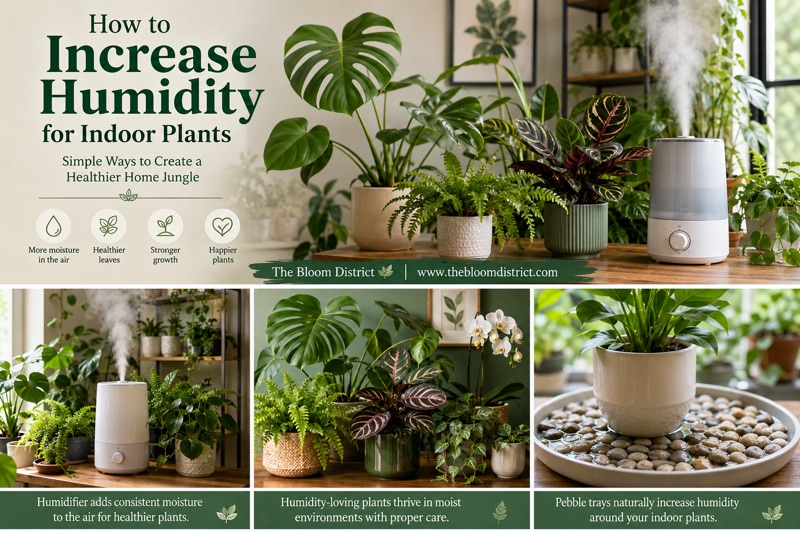
Have you ever looked at your favorite houseplant and wondered why its leaves are losing their beauty even though you water it regularly?
The soil looks healthy. The plant receives enough light. You follow the care instructions carefully — yet the leaf tips become brown, edges curl, and new growth appears weak.
The hidden problem may not be water or sunlight.
It may be humidity.
Many tropical houseplants that we grow indoors originally come from warm, humid environments where moisture constantly moves through the air. Inside our homes, especially during winter, when air conditioners or heaters are running, the air can become much drier than these plants prefer.
The good news?
Creating a more comfortable environment for your plants does not require expensive equipment or complicated techniques. With a few simple changes, you can transform a dry corner of your home into a healthier green space.
Quick Plant Care Box 🌱
|
Question |
Quick Answer |
|
Ideal humidity for most houseplants |
40-60% |
|
Tropical plants often prefer |
60-80% |
|
Common sign of low humidity |
Brown leaf tips and crispy edges |
|
Best simple solution |
Group plants together or use a humidifier |
Why Humidity Matters for Indoor Plants
Humidity refers to the amount of water vapor present in the air.
Plants naturally lose water through tiny openings on their leaves called stomata. This process, known as transpiration, helps plants move water and nutrients from their roots to their leaves.
When the air is too dry:
- Plants lose moisture faster
- Leaves become stressed
- New growth may slow down
- Leaf edges can become damaged
Think of humidity as an invisible layer of comfort around your plants. When that layer disappears, many indoor plants begin showing signs of stress.
How Much Humidity Do Indoor Plants Need?
Not all plants require the same humidity level.
Some desert plants, such as succulents and cacti, naturally prefer dry conditions. However, many popular indoor plants come from tropical forests and need more moisture in the air.
Indoor Plant Humidity Guide
|
Plant Type |
Preferred Humidity |
|
Succulents & Cacti |
30- 40% |
|
Snake Plant |
40-50% |
|
Pothos |
50-60% |
|
Monstera |
60-70% |
|
Calathea |
60-80% |
|
Ferns |
60-80% |
|
Orchids |
50-70% |
Signs Your Indoor Plants Need More Humidity
Low humidity often creates symptoms that gardeners mistake for watering problems.
Before changing your watering schedule, check the humidity around your plant.
1. Brown Leaf Tips and Crispy Edges
One of the most common signs of dry air is brown, dry-looking leaf edges.
Possible causes:
- Low humidity
- Hot air from heaters
- Cold drafts
- Irregular watering
Solution:
Increase humidity gradually and keep the plant away from direct heat sources.
2. Curling Leaves
When plants lose moisture too quickly, their leaves may curl inward to reduce water loss.
Commonly affected plants:
- Calatheas
- Ferns
- Peace lilies
- Prayer plants
Solution:
Increase surrounding humidity and maintain consistent moisture in the soil.
3. Yellowing or Drooping Leaves
Although yellow leaves can have many causes, dry air combined with underwatering can create stress.
Check:
- Soil moisture
- Light conditions
- Air circulation
- Humidity level
4. Slow New Growth
A plant may survive in dry air but stop producing healthy new leaves.
Higher humidity can help tropical plants:
- Develop larger leaves
- Produce stronger growth
- Maintain better appearance
The Best Ways to Increase Humidity for Indoor Plants 🌿
1. Group Your Plants Together
One of the easiest natural methods is creating a small plant community.
When plants are placed close together, they release moisture through transpiration. This creates a slightly more humid microenvironment around them.
Best for:
✔ Small collections of tropical plants
✔ Bedrooms and living rooms
✔ Plant shelves
Tip:
Avoid overcrowding. Good airflow is still important to prevent fungal problems.
2. Use a Pebble Tray
A pebble tray is a classic method that adds gentle humidity around a plant.
How to make one:
- Fill a shallow tray with small stones.
- Add water until it reaches just below the top of the pebbles.
- Place your plant pot on the stones.
- Refill the water when needed.
The water evaporates slowly, increasing moisture around the plant.
Important:
The plant pot should not sit directly in water because constantly wet soil can cause root rot.
3. Place Plants in Naturally Humid Areas
Some areas of your home naturally contain more moisture than others.
Moving humidity-loving plants to the right location can make a noticeable difference.
Best Humid Spots for Indoor Plants
|
Location |
Humidity Level |
Best Plants |
|
Bathroom with natural light |
High |
Ferns, Calatheas, Orchids |
|
Kitchen |
Medium |
Pothos, Herbs, Spider Plants |
|
Living room |
Medium |
Monstera, Philodendron |
|
Near heating vents |
Very Low |
Avoid placing plants here |
A small design tip:
A beautiful bathroom corner filled with tropical plants can become both a relaxing space and a healthier environment for humidity-loving plants.
4. Use a Humidifier: The Most Effective Solution 💧
If you have many tropical plants or live in a very dry climate, a humidifier is often the most reliable option.
Unlike small natural methods, a humidifier can increase humidity throughout an entire room.
Why Plant Owners Love Humidifiers:
✔ Provides consistent moisture
✔ Helps multiple plants at once
✔ Useful during winter and dry seasons
✔ Creates a better tropical environment indoors
Choosing the Right Humidifier for Plants
|
Type |
Benefits |
Best For |
|
Cool Mist Humidifier |
Safe and energy efficient |
Bedrooms and plant rooms |
|
Ultrasonic Humidifier |
Quiet and produces fine mist |
Indoor plant collections |
|
Large Room Humidifier |
Covers bigger spaces |
Plant corners and greenhouses |
Humidifier Tips:
- Keep humidity around 40–60% for most houseplants.
- Avoid creating constant damp conditions.
- Clean the humidifier regularly to prevent mineral buildup and bacteria.
5. Move Plants Away From Dry Air Sources
Sometimes the easiest solution is simply changing the plant’s location.
Many indoor plants suffer because they are placed near:
❌ Air conditioners
❌ Heating systems
❌ Fans
❌ Open windows during cold weather
These sources remove moisture from the air and create stress for leaves.
Better Placement:
✔ Bright indirect light
✔ Stable room temperature
✔ Away from strong air movement
6. Does Misting Plants Increase Humidity? 🌿
Misting is one of the most popular plant care habits, but many gardeners misunderstand its effect.
A spray bottle can temporarily increase moisture around leaves, but the effect usually disappears quickly.
Misting: Pros and Cons
|
Advantages |
Disadvantages |
|
Cleans dust from leaves |
Humidity increase is temporary |
|
Makes plants look fresh |
Excess moisture can encourage fungal issues |
|
Helps remove surface dirt |
Does not replace proper humidity |
Best approach:
Use misting as a cleaning method, not as your main humidity solution.
For plants that truly need high humidity, a humidifier or better placement is much more effective.
7. Create a Mini Indoor Greenhouse Effect
You can create a more humid environment without expensive equipment.
Simple Methods:
🌱 Glass Cabinets
Plants inside glass cabinets naturally maintain higher humidity.
Great for:
- Calatheas
- Ferns
- Moss
- Rare tropical plants
🌱 Plant Shelves With Humidity Domes
A transparent cover can trap moisture around smaller plants.
This works especially well for:
- Seedlings
- Cuttings
- Sensitive tropical plants
🌱 Terrariums
Closed terrariums create their own moisture cycle.
They are perfect for plants that love consistently humid environments.
Common Humidity Mistakes Indoor Gardeners Make
Even with good intentions, some humidity methods can harm plants.
Mistake 1: Overwatering Instead of Increasing Humidity
Many people see brown leaves and assume:
“Maybe my plant needs more water.”
But dry air and dry soil are different problems.
Remember:
Humidity affects the air around the plant.
Watering affects the roots.
Adding extra water to the soil when humidity is low can lead to:
- Root rot
- Yellow leaves
- Weak roots
Mistake 2: Creating High Humidity Without Airflow
High humidity is beneficial, but stagnant air can create problems.
Poor airflow may encourage:
- Fungal diseases
- Mold
- Leaf spots
The balance:
High humidity + good airflow = healthy plants 🌿
Mistake 3: Placing Too Many Plants Together
Grouping plants helps humidity, but overcrowding creates competition for:
- Light
- Space
- Air movement
Leave enough space between plants so leaves can breathe.
A Simple Weekly Humidity Routine 🌱
You do not need to constantly monitor your plants.
Try this easy routine:
Every Morning:
✔ Check leaves for dryness
✔ Open curtains for proper light
✔ Check if plants are near dry air sources
Once a Week:
✔ Clean plant leaves
✔ Check humidity level if possible
✔ Refill humidifier
✔ Inspect for fungal problems
During Dry Seasons:
✔ Increase humidity gradually
✔ Move sensitive plants closer together
✔ Consider using a humidifier
Best Indoor Plants That Love Humidity 🌿
If you enjoy creating a tropical indoor garden, these plants are excellent choices:
1. Calathea
Known for beautiful patterned leaves, but famous for needing higher humidity.
Best humidity:
60–80%
2. Ferns
Many fern varieties naturally grow in moist forest environments.
Best humidity:
60%+
3. Monstera
A popular indoor plant that grows beautifully with good humidity.
Benefits:
- Larger leaves
- Faster growth
- Healthier appearance
Best humidity:
60–70%
4. Peace Lily
Peace lilies appreciate moisture in both soil and air.
Signs of low humidity:
- Brown leaf tips
- Drooping leaves
Quick Comparison: Best Humidity Solutions
|
Method |
Effectiveness |
Cost |
Best For |
|
Humidifier |
⭐️⭐️⭐️⭐️⭐️ |
Medium |
Large plant collections |
|
Grouping plants |
⭐️⭐️⭐️ |
Free |
Small indoor gardens |
|
Pebble tray |
⭐️⭐️ |
Low |
Individual plants |
|
Bathroom placement |
⭐️⭐️⭐️ |
Free |
Tropical plants |
|
Misting |
⭐️ |
Free |
Leaf cleaning only |
Final Thoughts: Create a Comfortable Home for Your Plants 🌿
Healthy indoor plants are not only about watering and sunlight.
The air around your plants plays a major role in their success.
By understanding humidity needs and making small adjustments, you can prevent:
- Brown leaf edges
- Curling leaves
- Weak growth
- Plant stress
You do not need to transform your home overnight.
Start with one simple change:
Move your plants together, protect them from dry air, and observe how they respond.
A small improvement in their environment can create a big difference in their beauty and growth.
Frequently Asked Questions (FAQ)
What humidity level is best for indoor plants?
Most indoor plants grow well between 40–60% humidity. Tropical plants often prefer higher levels between 60–80%.
Can misting plants increase humidity?
Misting only provides a temporary increase in moisture around leaves. It is not a replacement for a humidifier or proper plant placement.
How can I increase humidity without a humidifier?
You can:
- Group plants together
- Use a pebble tray
- Place plants in naturally humid rooms
- Keep them away from heaters and air conditioners
Why are my indoor plant leaves turning brown?
Brown leaf tips can happen because of:
- Low humidity
- Overwatering
- Underwatering
- Excess fertilizer
- Poor water quality
Check the growing conditions before changing your care routine.
Related Articles
Comments
Post a Comment