
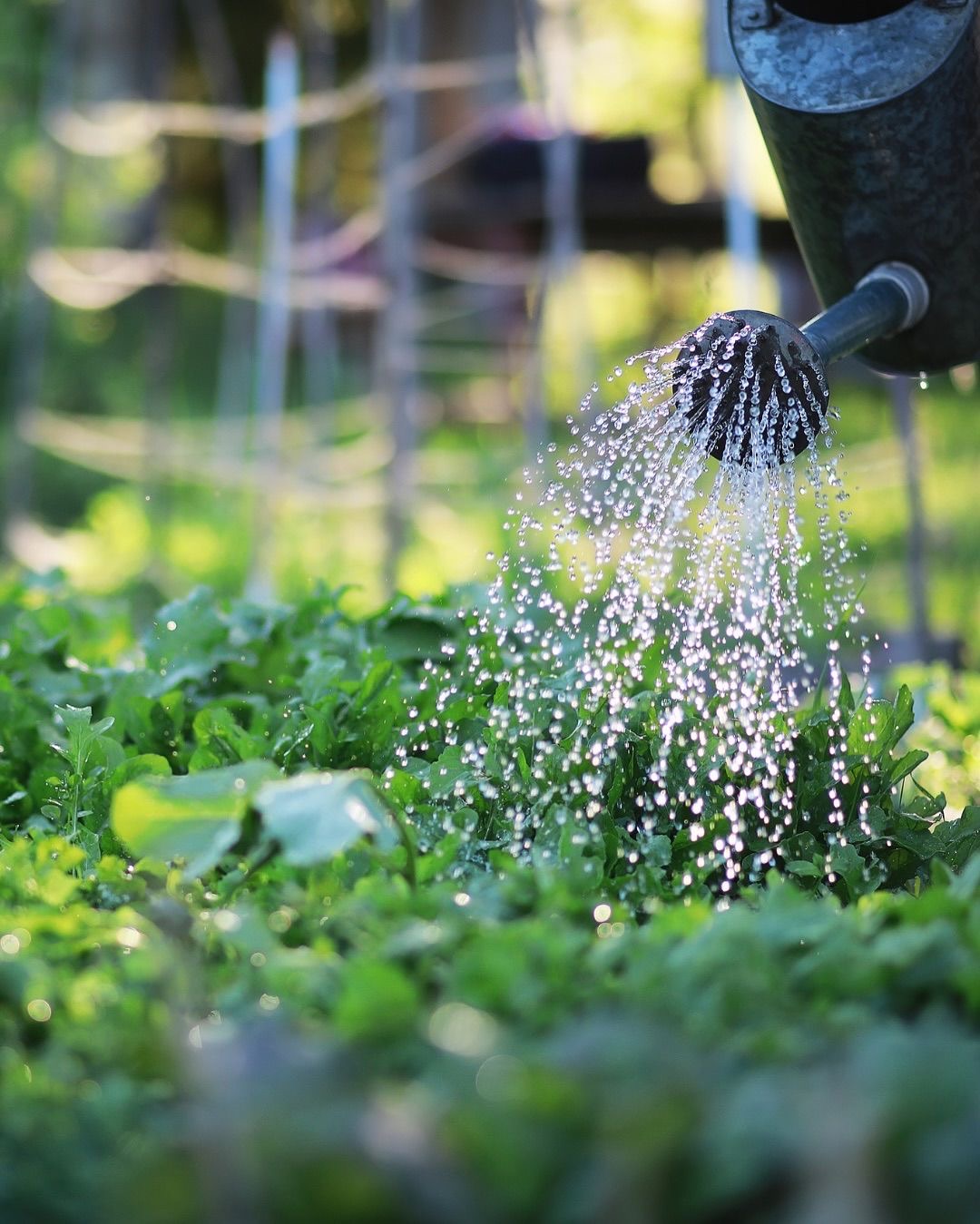
 Learn how often you should water plants based on plant type, season, and environment. Simple beginner guide to avoid overwatering or underwatering.
🌿 Introduction
One of the most common mistakes beginners make in gardening is watering plants too much or too little. Many people think plants need water every day, but the truth is that watering depends on several factors like plant type, soil, weather, and pot size.
In this guide, you will learn exactly how often you should water plants and how to avoid common watering mistakes.
💧 How Often Should You Water Plants?
There is no single rule that fits all plants, but here are general guidelines:
🪴 Indoor plants
- Usually: once every 7–14 days
- Depends on light and humidity
- Example: Snake plant needs very little water, while tropical plants need more
🌿 Outdoor plants
- Usually: 2–3 times per week
- In hot climates: may need more frequent watering
- In cooler seasons: less watering is needed
🌱 Newly planted plants
- Water more frequently (2–4 times per week)
- Soil should stay slightly moist until roots are strong
☀️ Factors That Affect Watering
1. Weather
- Hot weather = more water needed
- Cold weather = less water needed
2. Soil type
- Sandy soil dries quickly
- Clay soil holds water longer
3. Pot size
- Small pots dry faster
- Large pots hold moisture longer
4. Plant type
- Succulents need very little water
- Tropical plants need more moisture
⚠️ Signs of Overwatering
- Yellow leaves
- Soft or mushy stems
- Mold on soil
- Bad smell from the pot
Overwatering is actually more dangerous than underwatering.
🌿 Signs of Underwatering
- Dry and crispy leaves
- Wilting plant
- Soil pulling away from pot edges
- Slow growth
💡 Beginner Watering Tips
- Always check soil before watering
- Stick your finger 2–3 cm into the soil
- Water only when soil feels dry
- Use pots with drainage holes
- Do not follow a strict daily schedule
🌱 Conclusion
Watering plants correctly is not about a fixed schedule, but about observing your plant and its environment. Once you understand your plant’s needs, it becomes much easier to keep it healthy and growing.
Start slow, observe your plants, and adjust your watering routine based on their response.
Related Articles
Comments
Post a Comment